We and our partners use technologies, such as cookies, to recognize you and show you more of what you like. Please read our Privacy Policy to learn more. By using this website you agree to the use of those technologies.
I agree.
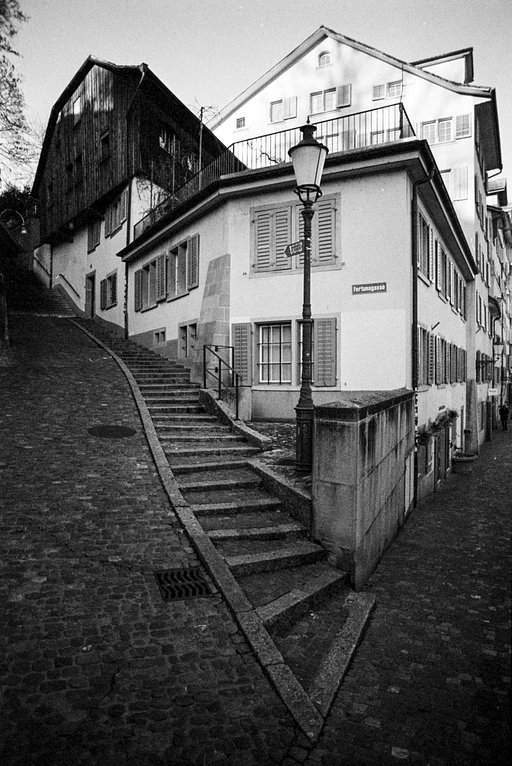
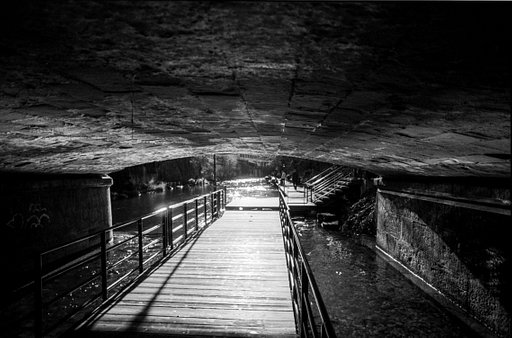
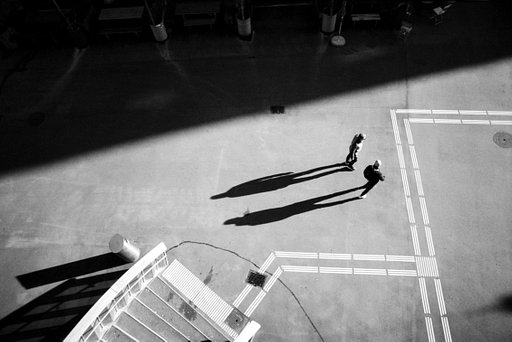
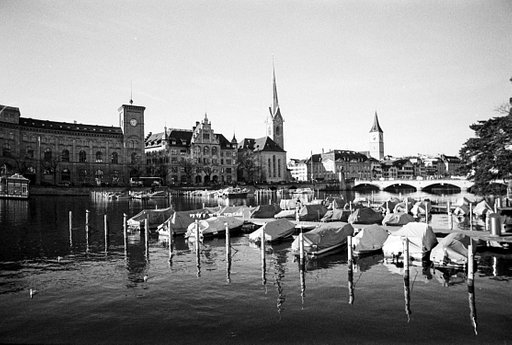
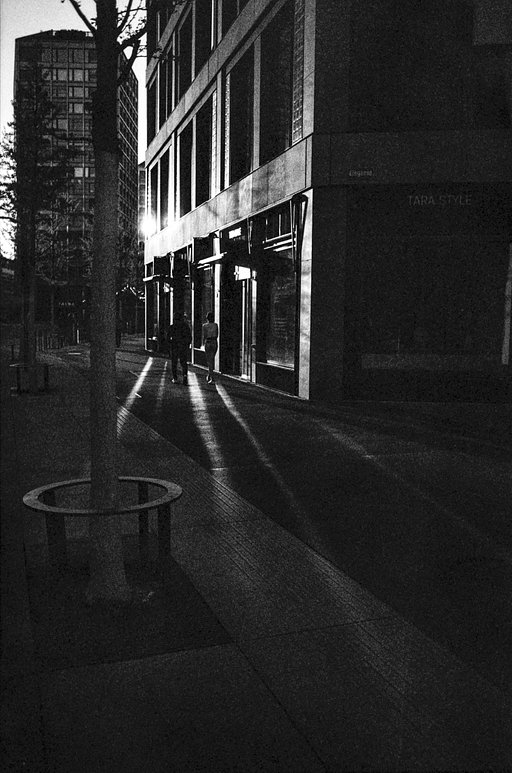
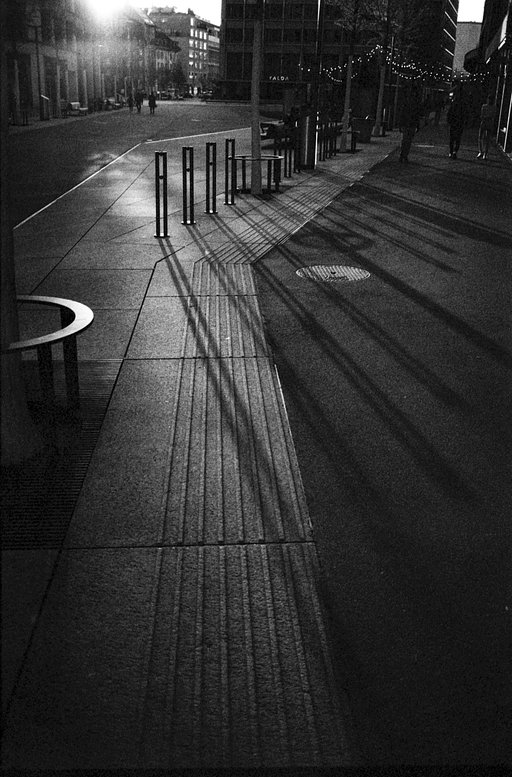
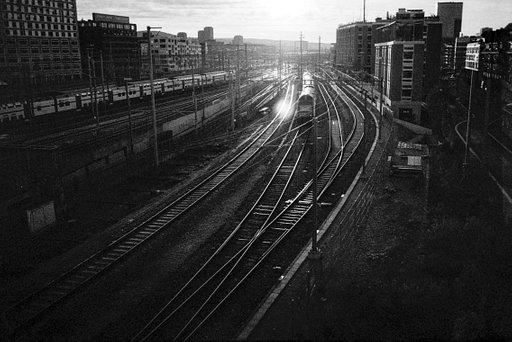
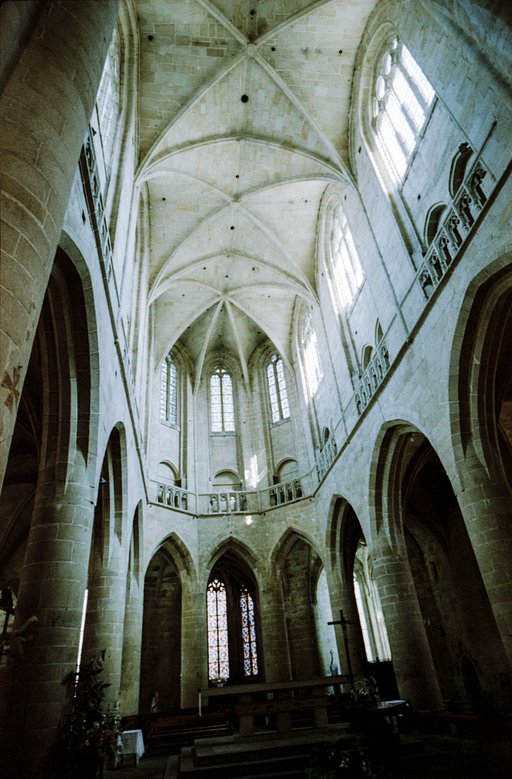
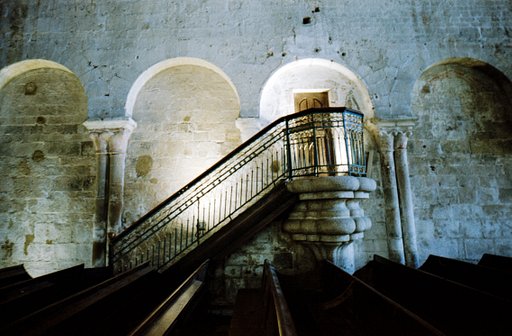
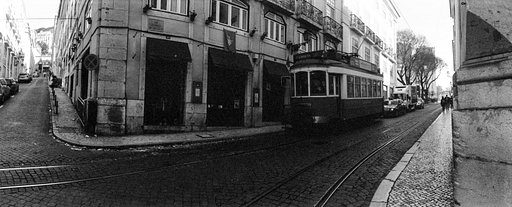
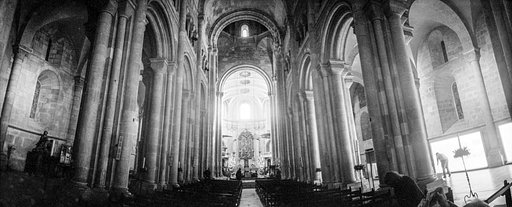
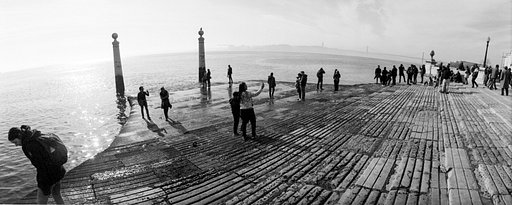
Some shots from Bern and Zurich at the end of the roll during a nice sunny day in April. And for this roll I tested the new Ars-Imago "Monobath Eco" : 8mn for processing and fixing, that's all! And it's an ecological formula so you can discard it without any worries in your sink. Of course, as with every monobath processing, you got a very high amount of contrast, as the developper is quiet strong, acts in the first 3 mn before the fixer takes over. It's given for 8 films (8mn for rolls 1-4, 16mn for rolls 5-8). Not recommended for T-Grain films, like TMax, Tri-X or Fomapan. It's sold for 16,90€, that's not the cheapest chemical for 8 films, but it's easy and quick to use.
Some shots from Bern and Zurich at the end of the roll during a nice sunny day in April. And for this roll I tested the new Ars-Imago "Monobath Eco" : 8mn for processing and fixing, that's all! And it's an ecological formula so you can discard it without any worries in your sink. Of course, as with every monobath processing, you got a very high amount of contrast, as the developper is quiet strong, acts in the first 3 mn before the fixer takes over. It's given for 8 films (8mn for rolls 1-4, 16mn for rolls 5-8). Not recommended for T-Grain films, like TMax, Tri-X or Fomapan. It's sold for 16,90€, that's not the cheapest chemical for 8 films, but it's easy and quick to use.
Some shots from Bern and Zurich at the end of the roll during a nice sunny day in April. And for this roll I tested the new Ars-Imago "Monobath Eco" : 8mn for processing and fixing, that's all! And it's an ecological formula so you can discard it without any worries in your sink. Of course, as with every monobath processing, you got a very high amount of contrast, as the developper is quiet strong, acts in the first 3 mn before the fixer takes over. It's given for 8 films (8mn for rolls 1-4, 16mn for rolls 5-8). Not recommended for T-Grain films, like TMax, Tri-X or Fomapan. It's sold for 16,90€, that's not the cheapest chemical for 8 films, but it's easy and quick to use.
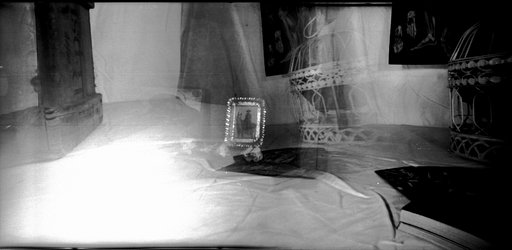
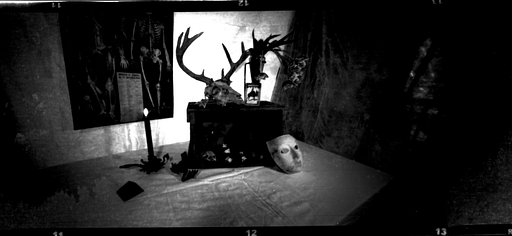
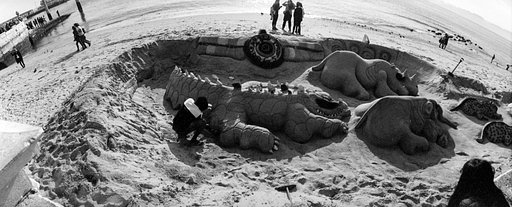
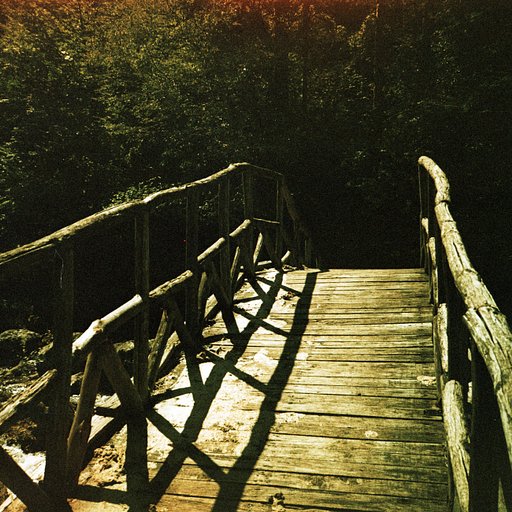
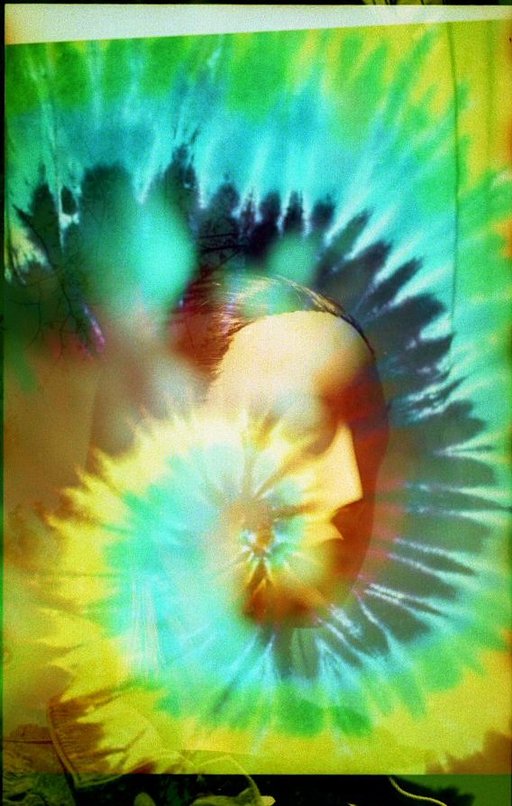
This film was first loaded into the Zero Image 2000 in 2016, with plans for double it later. It languished until March 14, 2020 when I reloaded it into a Holga Wide Pinhole for some tabletop doubles. Unfortunately, there is only a ghost of the first layer, shot in the forest. Efke R25, expired in 2014, stand processed in Blazinal 1+100 for 90 minutes.
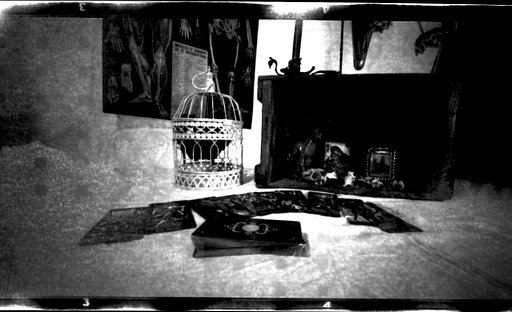
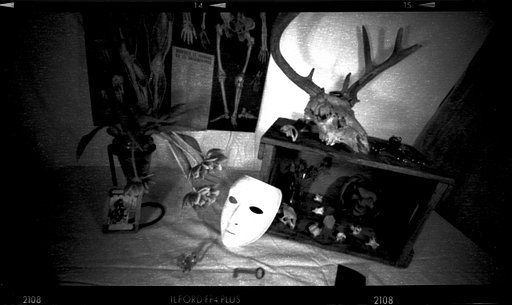
Dusting off the Pinhole Blender for a little tabletop fun, March 13, 2020. Ilford PanF 50, expired in 2013, stand processed in Blazinal 1+100 for 80 minutes.
This film was first loaded into the Zero Image 2000 in 2016, with plans for double it later. It languished until March 14, 2020 when I reloaded it into a Holga Wide Pinhole for some tabletop doubles. Unfortunately, there is only a ghost of the first layer, shot in the forest. Efke R25, expired in 2014, stand processed in Blazinal 1+100 for 90 minutes.
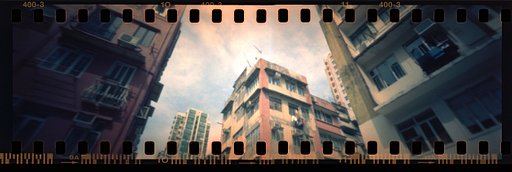
the HydroChrome Sutton’s Panoramic Belair Camera combines some of Lomography’s best-loved features into one exciting analogue innovation. Check out these ethereal panoramas taken with Lomography's New HydroChrome Sutton's Panoramic Belair Camera!
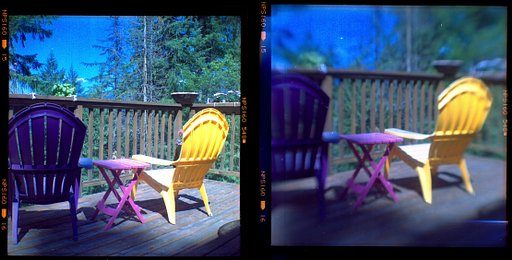
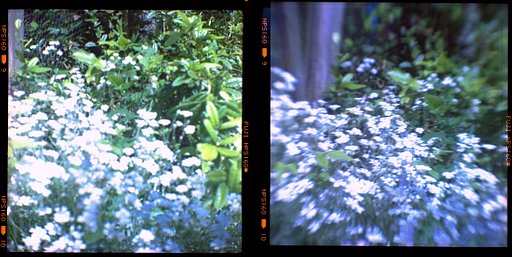
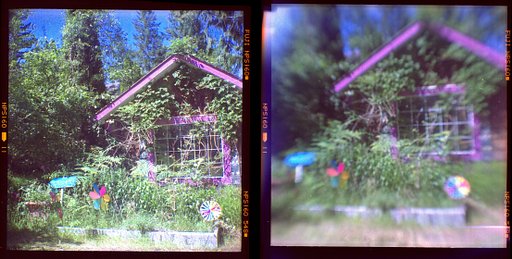
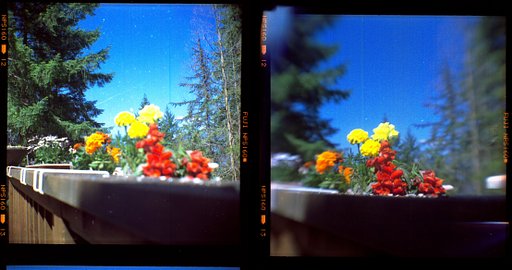
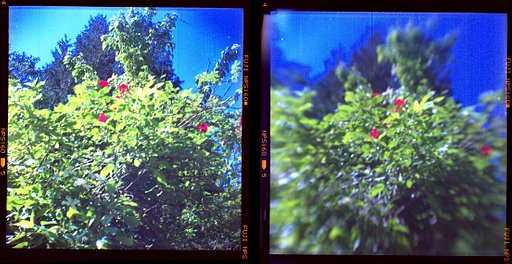
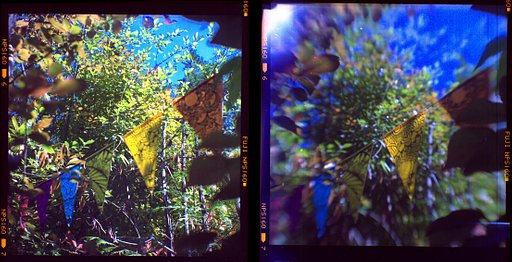
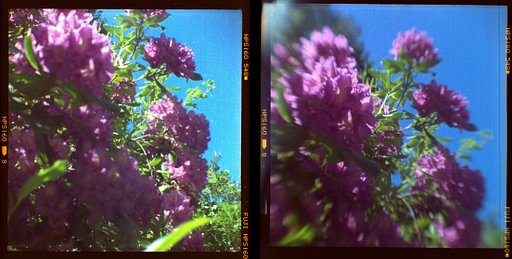
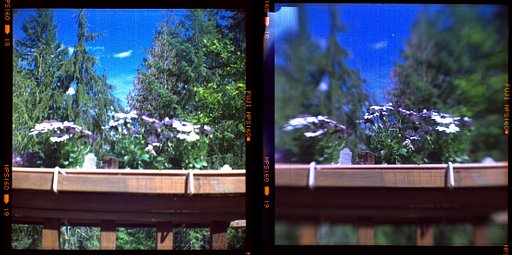
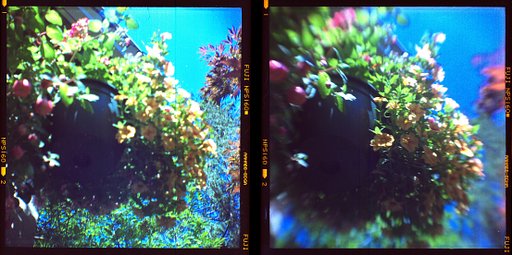
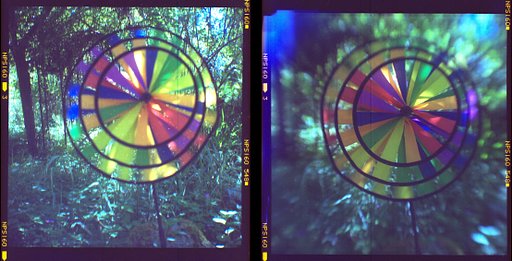
I have always meant to flip the meniscus lens in a Brownie Hawkeye since reading @kdstevens great article: https://www.lomography.com/magazine/114289-flipping-over-the-brownie-hawkeye-advanced-lomographic-techniques-with-americas-favorite-camera. After a great album by @akula and, dare I say it, a bit of a challenge from @neufotomacher, I grabbed my second best Hawkeye and performed the very simple reversal. Being the complete geek that I am, I had to perform a comparison test with identical rolls of Fujicolor NPS 160, expired in 2006 and home processed in Arista C-41. In each pair, the shot on the left is with the normal lens and the shot on the right is with a flipped lens.
I have always meant to flip the meniscus lens in a Brownie Hawkeye since reading @kdstevens great article: https://www.lomography.com/magazine/114289-flipping-over-the-brownie-hawkeye-advanced-lomographic-techniques-with-americas-favorite-camera. After a great album by @akula and, dare I say it, a bit of a challenge from @neufotomacher, I grabbed my second best Hawkeye and performed the very simple reversal. Being the complete geek that I am, I had to perform a comparison test with identical rolls of Fujicolor NPS 160, expired in 2006 and home processed in Arista C-41. In each pair, the shot on the left is with the normal lens and the shot on the right is with a flipped lens.
I have always meant to flip the meniscus lens in a Brownie Hawkeye since reading @kdstevens great article: https://www.lomography.com/magazine/114289-flipping-over-the-brownie-hawkeye-advanced-lomographic-techniques-with-americas-favorite-camera. After a great album by @akula and, dare I say it, a bit of a challenge from @neufotomacher, I grabbed my second best Hawkeye and performed the very simple reversal. Being the complete geek that I am, I had to perform a comparison test with identical rolls of Fujicolor NPS 160, expired in 2006 and home processed in Arista C-41. In each pair, the shot on the left is with the normal lens and the shot on the right is with a flipped lens.
I have always meant to flip the meniscus lens in a Brownie Hawkeye since reading @kdstevens great article: https://www.lomography.com/magazine/114289-flipping-over-the-brownie-hawkeye-advanced-lomographic-techniques-with-americas-favorite-camera. After a great album by @akula and, dare I say it, a bit of a challenge from @neufotomacher, I grabbed my second best Hawkeye and performed the very simple reversal. Being the complete geek that I am, I had to perform a comparison test with identical rolls of Fujicolor NPS 160, expired in 2006 and home processed in Arista C-41. In each pair, the shot on the left is with the normal lens and the shot on the right is with a flipped lens.
I have always meant to flip the meniscus lens in a Brownie Hawkeye since reading @kdstevens great article: https://www.lomography.com/magazine/114289-flipping-over-the-brownie-hawkeye-advanced-lomographic-techniques-with-americas-favorite-camera. After a great album by @akula and, dare I say it, a bit of a challenge from @neufotomacher, I grabbed my second best Hawkeye and performed the very simple reversal. Being the complete geek that I am, I had to perform a comparison test with identical rolls of Fujicolor NPS 160, expired in 2006 and home processed in Arista C-41. In each pair, the shot on the left is with the normal lens and the shot on the right is with a flipped lens.
I have always meant to flip the meniscus lens in a Brownie Hawkeye since reading @kdstevens great article: https://www.lomography.com/magazine/114289-flipping-over-the-brownie-hawkeye-advanced-lomographic-techniques-with-americas-favorite-camera. After a great album by @akula and, dare I say it, a bit of a challenge from @neufotomacher, I grabbed my second best Hawkeye and performed the very simple reversal. Being the complete geek that I am, I had to perform a comparison test with identical rolls of Fujicolor NPS 160, expired in 2006 and home processed in Arista C-41. In each pair, the shot on the left is with the normal lens and the shot on the right is with a flipped lens.
I have always meant to flip the meniscus lens in a Brownie Hawkeye since reading @kdstevens great article: https://www.lomography.com/magazine/114289-flipping-over-the-brownie-hawkeye-advanced-lomographic-techniques-with-americas-favorite-camera. After a great album by @akula and, dare I say it, a bit of a challenge from @neufotomacher, I grabbed my second best Hawkeye and performed the very simple reversal. Being the complete geek that I am, I had to perform a comparison test with identical rolls of Fujicolor NPS 160, expired in 2006 and home processed in Arista C-41. In each pair, the shot on the left is with the normal lens and the shot on the right is with a flipped lens.
I have always meant to flip the meniscus lens in a Brownie Hawkeye since reading @kdstevens great article: https://www.lomography.com/magazine/114289-flipping-over-the-brownie-hawkeye-advanced-lomographic-techniques-with-americas-favorite-camera. After a great album by @akula and, dare I say it, a bit of a challenge from @neufotomacher, I grabbed my second best Hawkeye and performed the very simple reversal. Being the complete geek that I am, I had to perform a comparison test with identical rolls of Fujicolor NPS 160, expired in 2006 and home processed in Arista C-41. In each pair, the shot on the left is with the normal lens and the shot on the right is with a flipped lens.
I have always meant to flip the meniscus lens in a Brownie Hawkeye since reading @kdstevens great article: https://www.lomography.com/magazine/114289-flipping-over-the-brownie-hawkeye-advanced-lomographic-techniques-with-americas-favorite-camera. After a great album by @akula and, dare I say it, a bit of a challenge from @neufotomacher, I grabbed my second best Hawkeye and performed the very simple reversal. Being the complete geek that I am, I had to perform a comparison test with identical rolls of Fujicolor NPS 160, expired in 2006 and home processed in Arista C-41. In each pair, the shot on the left is with the normal lens and the shot on the right is with a flipped lens.
I have always meant to flip the meniscus lens in a Brownie Hawkeye since reading @kdstevens great article: https://www.lomography.com/magazine/114289-flipping-over-the-brownie-hawkeye-advanced-lomographic-techniques-with-americas-favorite-camera. After a great album by @akula and, dare I say it, a bit of a challenge from @neufotomacher, I grabbed my second best Hawkeye and performed the very simple reversal. Being the complete geek that I am, I had to perform a comparison test with identical rolls of Fujicolor NPS 160, expired in 2006 and home processed in Arista C-41. In each pair, the shot on the left is with the normal lens and the shot on the right is with a flipped lens.
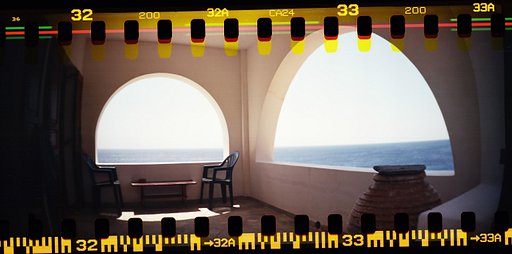
I shot this roll in July, thinking I was shooting doubles with my friend Nicole on a roll that had been sitting in my fridge for some time. When I processed it, I realized that I had shot the film twice and so had Nicole, although we are not sure how we managed this feat of quadrupling the film. These scans are a combination of mine and Nicole's as my scanner no longer deals with such thick negatives. My second shoot was done with a Diana F+ with 35mm back, but we are unsure of the other cameras involved. Fuji Reala 100, home processed in Tetenal Colortec C-41.
I shot this roll in July, thinking I was shooting doubles with my friend Nicole on a roll that had been sitting in my fridge for some time. When I processed it, I realized that I had shot the film twice and so had Nicole, although we are not sure how we managed this feat of quadrupling the film. These scans are a combination of mine and Nicole's as my scanner no longer deals with such thick negatives. My second shoot was done with a Diana F+ with 35mm back, but we are unsure of the other cameras involved. Fuji Reala 100, home processed in Tetenal Colortec C-41.