We and our partners use technologies, such as cookies, to recognize you and show you more of what you like. Please read our Privacy Policy to learn more. By using this website you agree to the use of those technologies.
I agree.
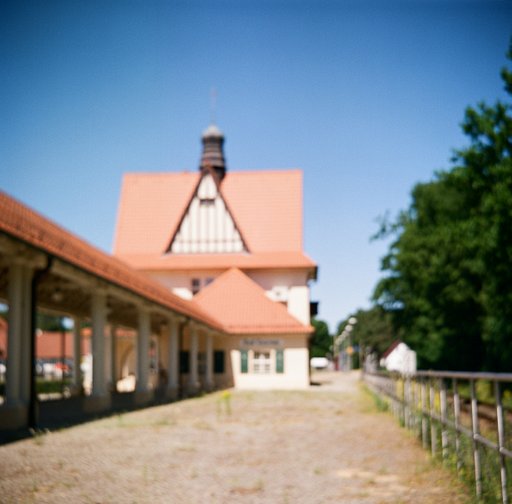
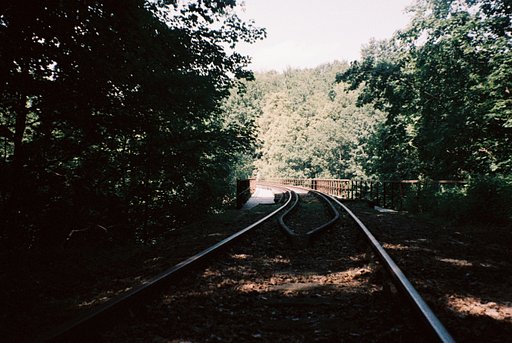
A large part of the former Muldentalbahn, a picturesque railway line in Saxony, has been decommissioned. Today, sections of the route can be explored as a bike path, while on some remaining parts, historical special trips are still offered for railway enthusiasts.
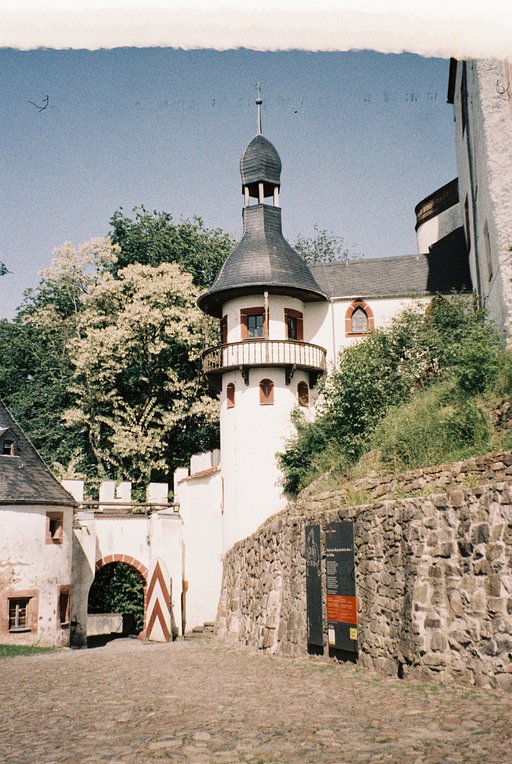
Rochsburg Castle is picturesquely enthroned on a rocky spur above the Zwickauer Mulde river near Lunzenau. The impressive castle complex looks back on a long history dating back to the 12th century. Today, the castle houses a museum that showcases its medieval architecture and the history of the region.
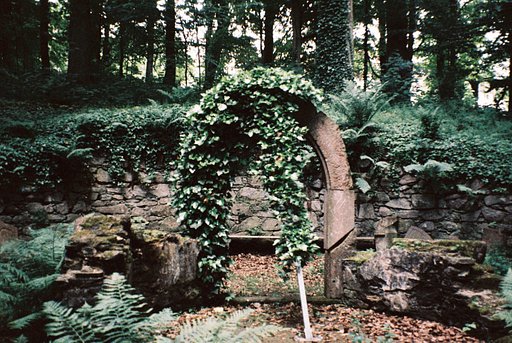
This ruin of a neo-Gothic chapel lies in the Wechselburg Castle Park. The building originally served as a place of worship and also as a storage facility for ice blocks. In 1945, the chapel was severely damaged in an ammunition explosion.
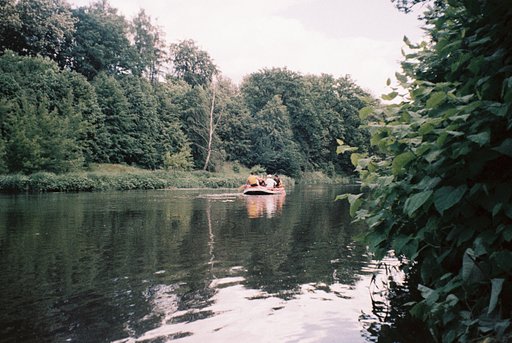
The Zwickauer Mulde is the left headstream of the Mulde River in Saxony, originating in the Ore Mountains. Historically, it was of central importance for the settlement and industry of the region. Recurring flood events, particularly the 2002 flood, led to extensive flood protection measures. Today, despite its past, the river course is a significant natural and recreational area with riparian landscapes and popular paths for cyclists and hikers.
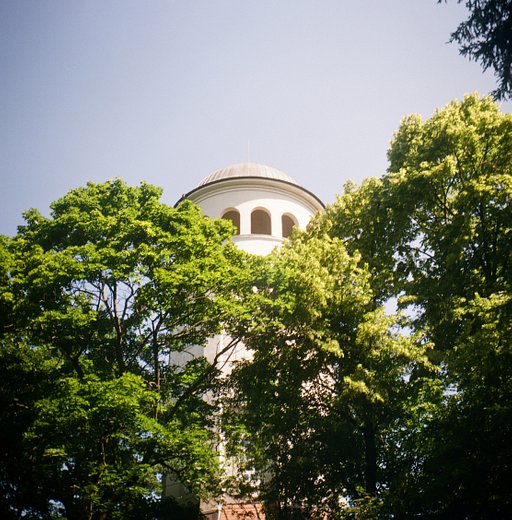
The Taurastein Tower in Burgstädt is a remarkable technical monument because it served a dual purpose right from the start: it functioned not only as an observation tower but also as a water tower. Between 1913 and 1996, the 39-meter-high tower, with its large reinforced concrete tank, supplied the community with drinking water. This rare combination makes it a unique example of the engineering prowess of its time.