We and our partners use technologies, such as cookies, to recognize you and show you more of what you like. Please read our Privacy Policy to learn more. By using this website you agree to the use of those technologies.
I agree.
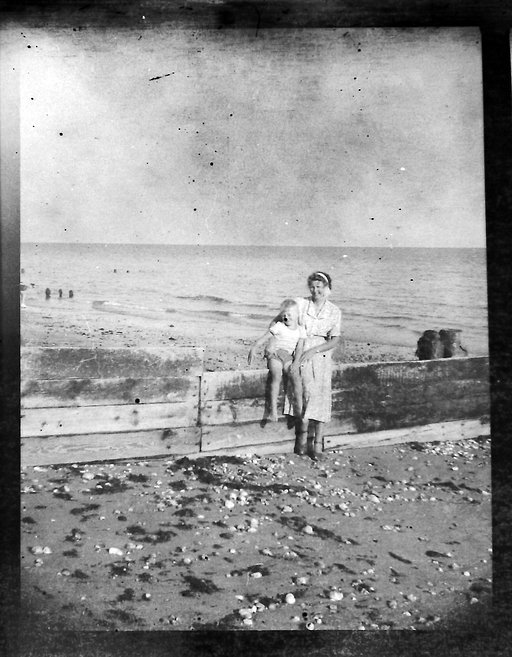
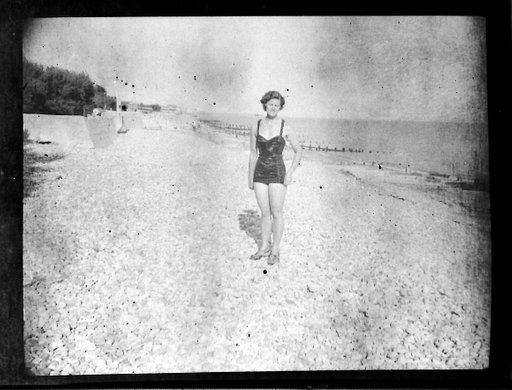
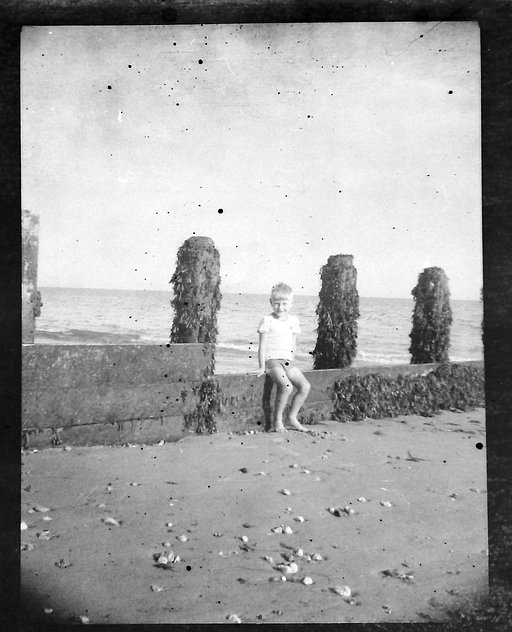
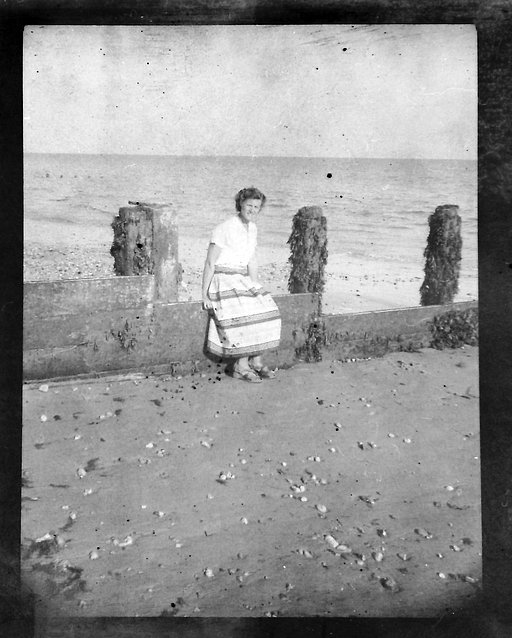
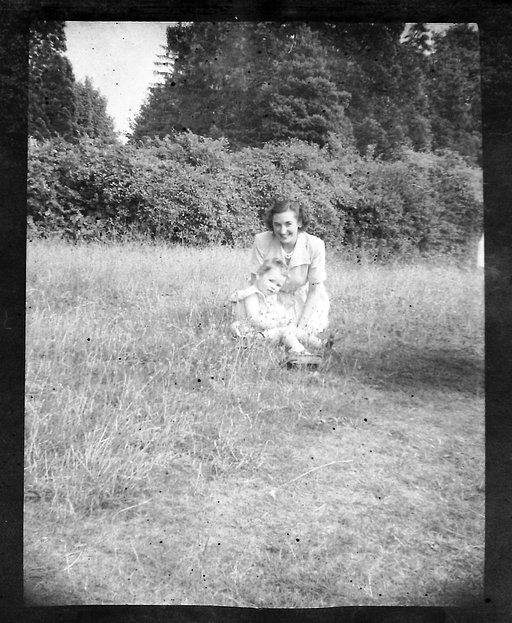
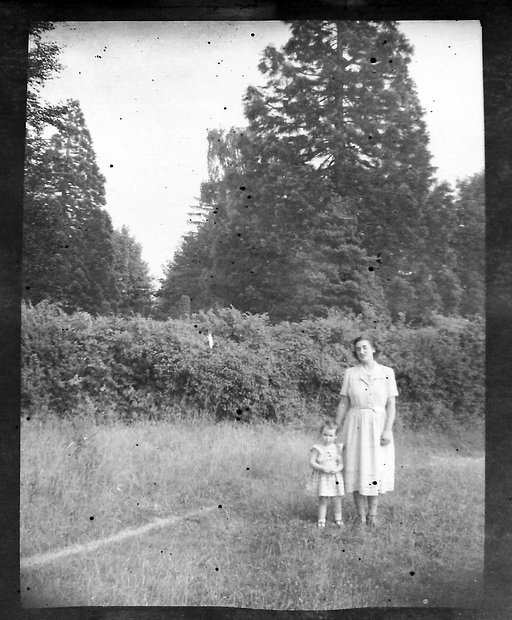
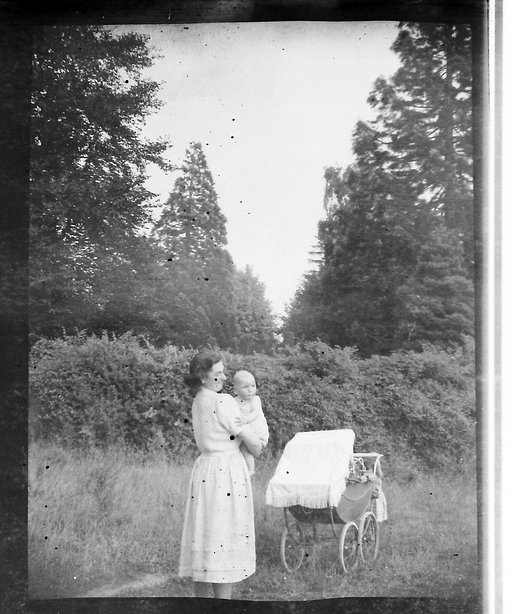
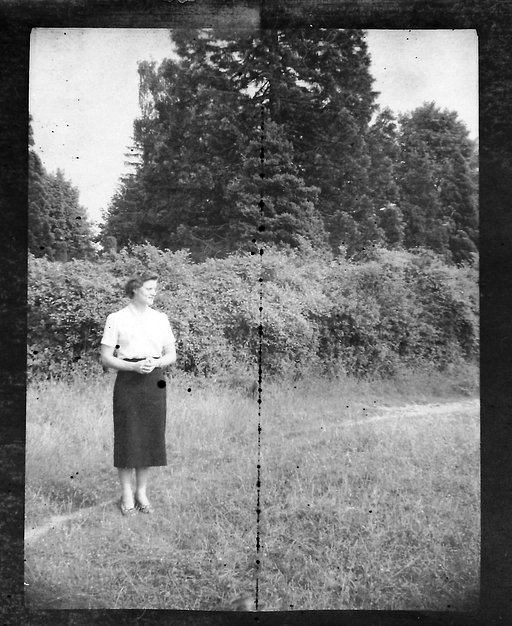
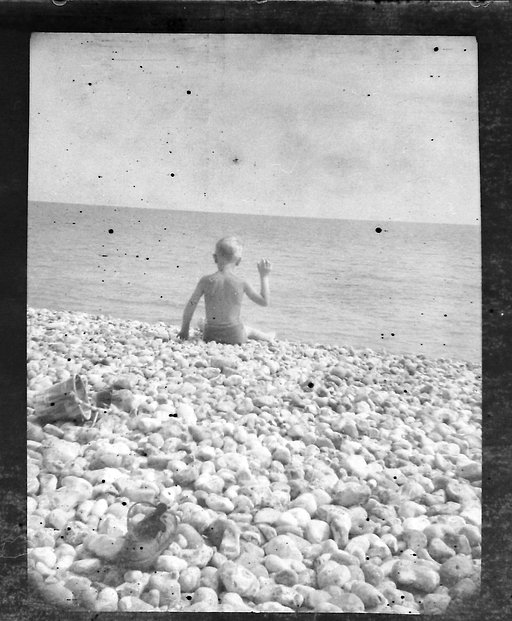
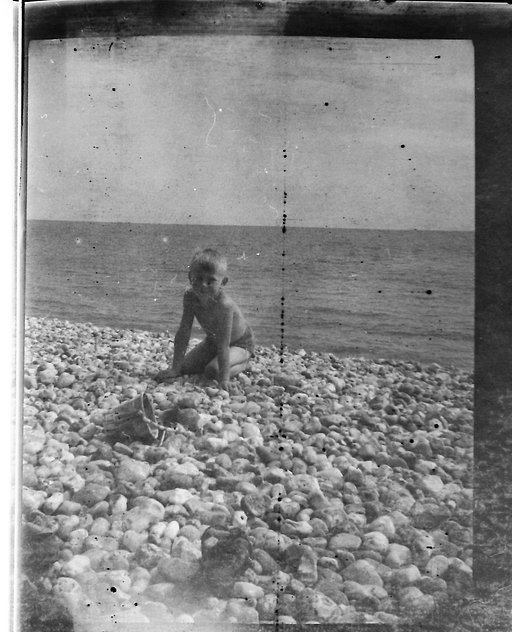
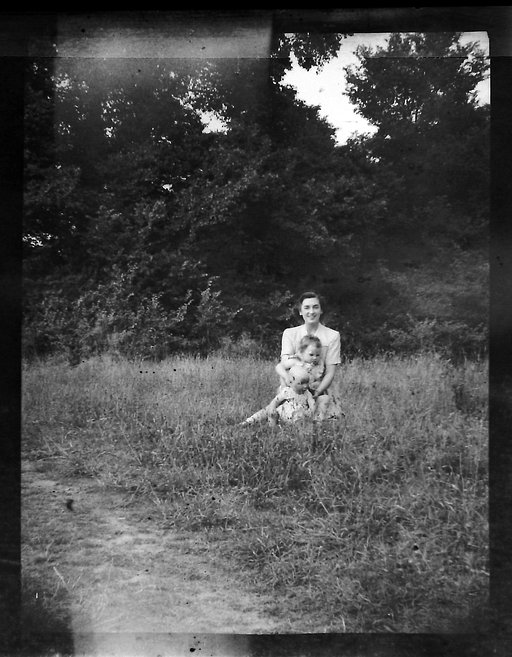
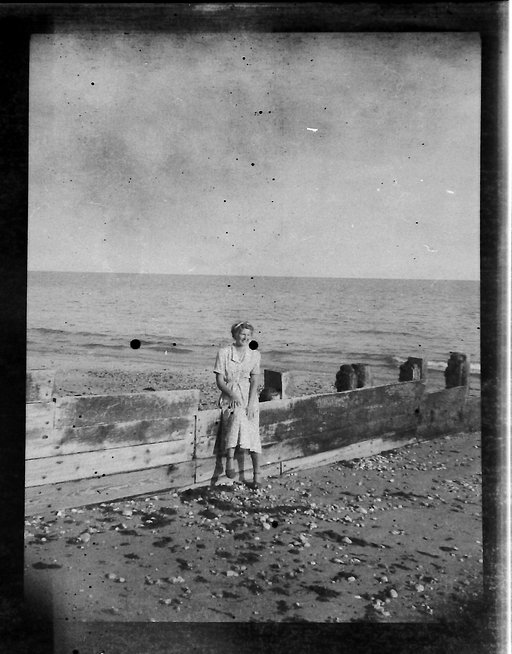
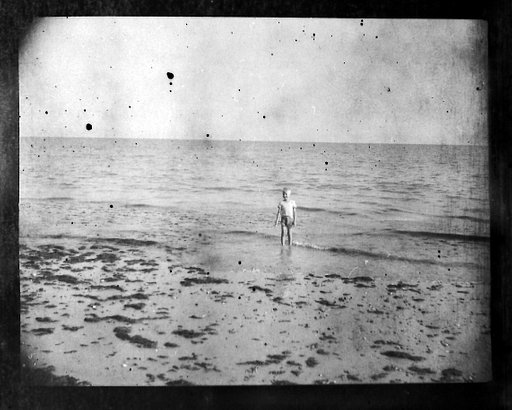
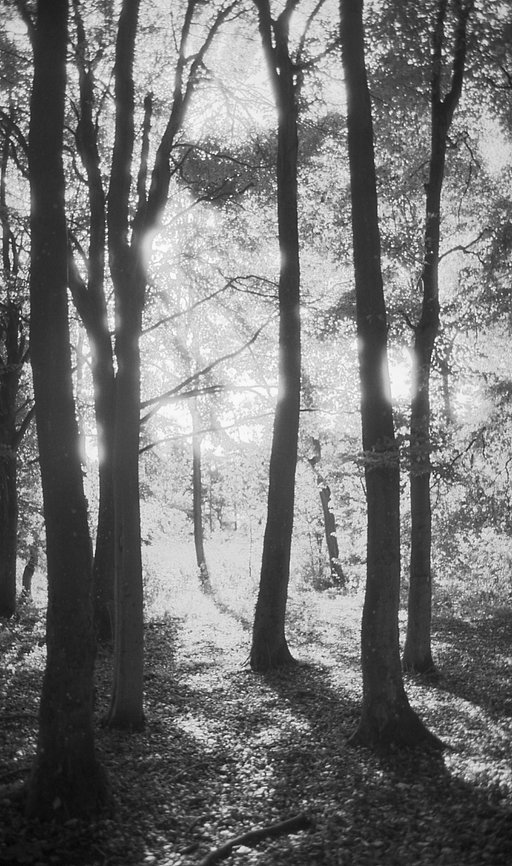
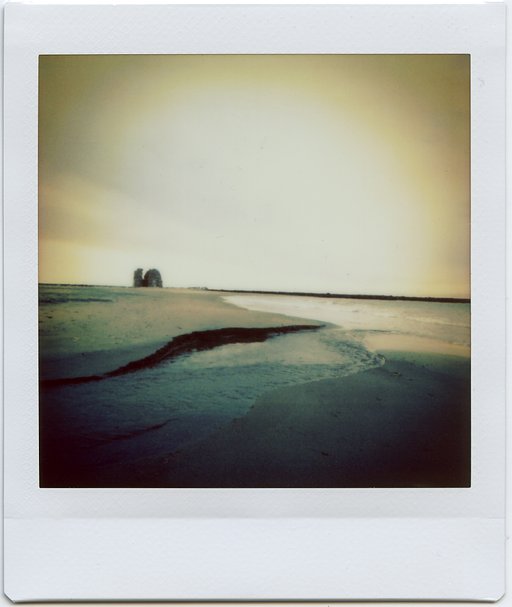
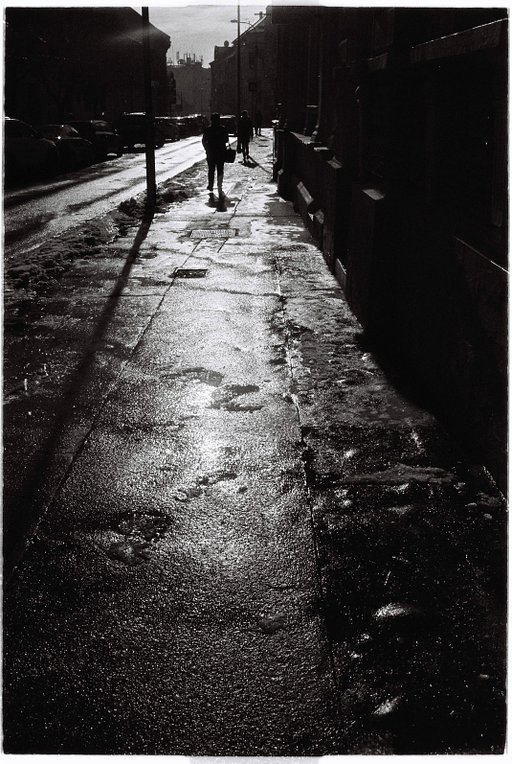
Another series of films discovered exposed but not developed. I have very little to go on apart from one of the rolls having the title "Canterbury" written in pencil on the box. Probably shot in the late 1940s and early 1950s the films are a mix of family and outings. Canterbury is very identifiable in later rolls and the beaches in these look a lot like those around the Margate area which is also close by. This is roll 1 of 7 and also my favourite in the series. All of the rolls were stand developed using Rodinal 1:100 for 90 minutes.
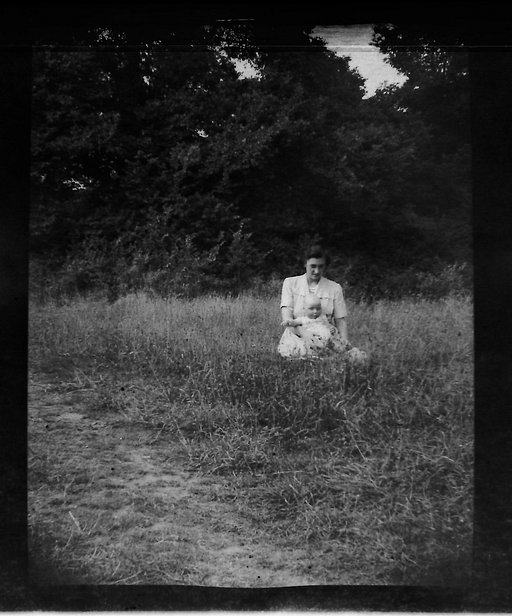
Another series of films discovered exposed but not developed. I have very little to go on apart from one of the rolls having the title "Canterbury" written in pencil on the box. Probably shot in the late 1940s and early 1950s the films are a mix of family and outings. Canterbury is very identifiable in later rolls and the beaches in these look a lot like those around the Margate area which is also close by. This is roll 1 of 7 and also my favourite in the series. All of the rolls were stand developed using Rodinal 1:100 for 90 minutes.
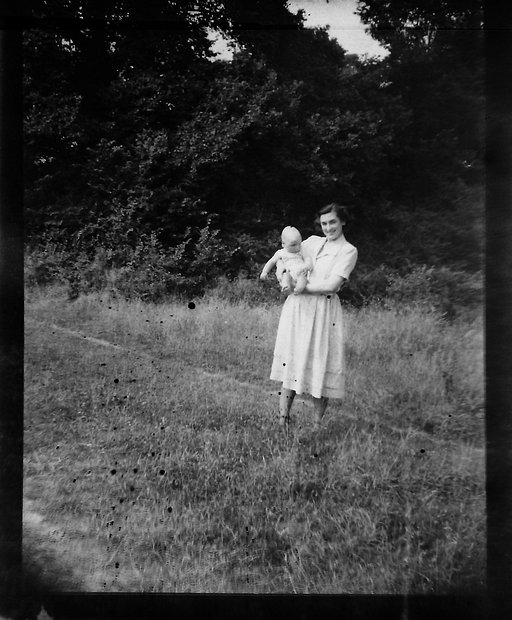
Another series of films discovered exposed but not developed. I have very little to go on apart from one of the rolls having the title "Canterbury" written in pencil on the box. Probably shot in the late 1940s and early 1950s the films are a mix of family and outings. Canterbury is very identifiable in later rolls and the beaches in these look a lot like those around the Margate area which is also close by. This is roll 1 of 7 and also my favourite in the series. All of the rolls were stand developed using Rodinal 1:100 for 90 minutes.
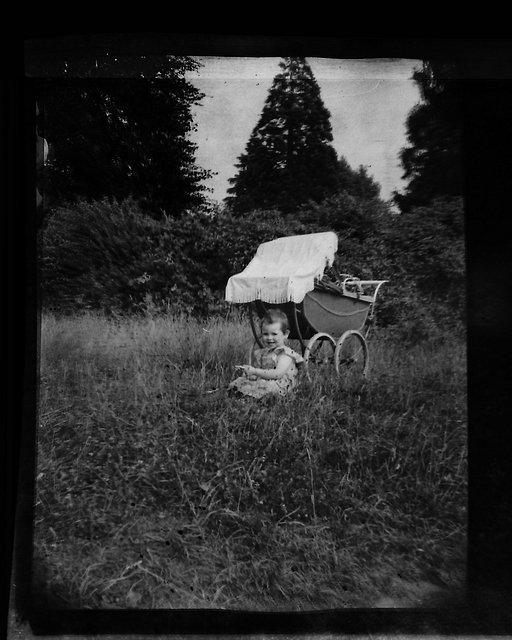
Another series of films discovered exposed but not developed. I have very little to go on apart from one of the rolls having the title "Canterbury" written in pencil on the box. Probably shot in the late 1940s and early 1950s the films are a mix of family and outings. Canterbury is very identifiable in later rolls and the beaches in these look a lot like those around the Margate area which is also close by. This is roll 1 of 7 and also my favourite in the series. All of the rolls were stand developed using Rodinal 1:100 for 90 minutes.
Another series of films discovered exposed but not developed. I have very little to go on apart from one of the rolls having the title "Canterbury" written in pencil on the box. Probably shot in the late 1940s and early 1950s the films are a mix of family and outings. Canterbury is very identifiable in later rolls and the beaches in these look a lot like those around the Margate area which is also close by. This is roll 1 of 7 and also my favourite in the series. All of the rolls were stand developed using Rodinal 1:100 for 90 minutes.
Another series of films discovered exposed but not developed. I have very little to go on apart from one of the rolls having the title "Canterbury" written in pencil on the box. Probably shot in the late 1940s and early 1950s the films are a mix of family and outings. Canterbury is very identifiable in later rolls and the beaches in these look a lot like those around the Margate area which is also close by. This is roll 1 of 7 and also my favourite in the series. All of the rolls were stand developed using Rodinal 1:100 for 90 minutes.
Another series of films discovered exposed but not developed. I have very little to go on apart from one of the rolls having the title "Canterbury" written in pencil on the box. Probably shot in the late 1940s and early 1950s the films are a mix of family and outings. Canterbury is very identifiable in later rolls and the beaches in these look a lot like those around the Margate area which is also close by. This is roll 1 of 7 and also my favourite in the series. All of the rolls were stand developed using Rodinal 1:100 for 90 minutes.
Another series of films discovered exposed but not developed. I have very little to go on apart from one of the rolls having the title "Canterbury" written in pencil on the box. Probably shot in the late 1940s and early 1950s the films are a mix of family and outings. Canterbury is very identifiable in later rolls and the beaches in these look a lot like those around the Margate area which is also close by. This is roll 1 of 7 and also my favourite in the series. All of the rolls were stand developed using Rodinal 1:100 for 90 minutes.
Another series of films discovered exposed but not developed. I have very little to go on apart from one of the rolls having the title "Canterbury" written in pencil on the box. Probably shot in the late 1940s and early 1950s the films are a mix of family and outings. Canterbury is very identifiable in later rolls and the beaches in these look a lot like those around the Margate area which is also close by. This is roll 1 of 7 and also my favourite in the series. All of the rolls were stand developed using Rodinal 1:100 for 90 minutes.
Another series of films discovered exposed but not developed. I have very little to go on apart from one of the rolls having the title "Canterbury" written in pencil on the box. Probably shot in the late 1940s and early 1950s the films are a mix of family and outings. Canterbury is very identifiable in later rolls and the beaches in these look a lot like those around the Margate area which is also close by. This is roll 1 of 7 and also my favourite in the series. All of the rolls were stand developed using Rodinal 1:100 for 90 minutes.
Another series of films discovered exposed but not developed. I have very little to go on apart from one of the rolls having the title "Canterbury" written in pencil on the box. Probably shot in the late 1940s and early 1950s the films are a mix of family and outings. Canterbury is very identifiable in later rolls and the beaches in these look a lot like those around the Margate area which is also close by. This is roll 1 of 7 and also my favourite in the series. All of the rolls were stand developed using Rodinal 1:100 for 90 minutes.
Another series of films discovered exposed but not developed. I have very little to go on apart from one of the rolls having the title "Canterbury" written in pencil on the box. Probably shot in the late 1940s and early 1950s the films are a mix of family and outings. Canterbury is very identifiable in later rolls and the beaches in these look a lot like those around the Margate area which is also close by. This is roll 1 of 7 and also my favourite in the series. All of the rolls were stand developed using Rodinal 1:100 for 90 minutes.
Another series of films discovered exposed but not developed. I have very little to go on apart from one of the rolls having the title "Canterbury" written in pencil on the box. Probably shot in the late 1940s and early 1950s the films are a mix of family and outings. Canterbury is very identifiable in later rolls and the beaches in these look a lot like those around the Margate area which is also close by. This is roll 1 of 7 and also my favourite in the series. All of the rolls were stand developed using Rodinal 1:100 for 90 minutes.
Another series of films discovered exposed but not developed. I have very little to go on apart from one of the rolls having the title "Canterbury" written in pencil on the box. Probably shot in the late 1940s and early 1950s the films are a mix of family and outings. Canterbury is very identifiable in later rolls and the beaches in these look a lot like those around the Margate area which is also close by. This is roll 1 of 7 and also my favourite in the series. All of the rolls were stand developed using Rodinal 1:100 for 90 minutes.
Another series of films discovered exposed but not developed. I have very little to go on apart from one of the rolls having the title "Canterbury" written in pencil on the box. Probably shot in the late 1940s and early 1950s the films are a mix of family and outings. Canterbury is very identifiable in later rolls and the beaches in these look a lot like those around the Margate area which is also close by. This is roll 1 of 7 and also my favourite in the series. All of the rolls were stand developed using Rodinal 1:100 for 90 minutes.
Another series of films discovered exposed but not developed. I have very little to go on apart from one of the rolls having the title "Canterbury" written in pencil on the box. Probably shot in the late 1940s and early 1950s the films are a mix of family and outings. Canterbury is very identifiable in later rolls and the beaches in these look a lot like those around the Margate area which is also close by. This is roll 1 of 7 and also my favourite in the series. All of the rolls were stand developed using Rodinal 1:100 for 90 minutes.
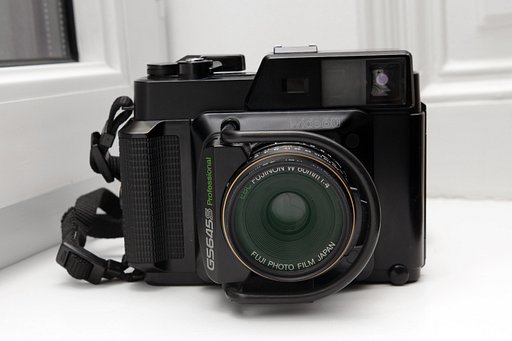
Looking to score a medium format camera that offers good image and build quality that's lighter on both the hands and your budget? Then the Fuji GS645S might be the one for you.
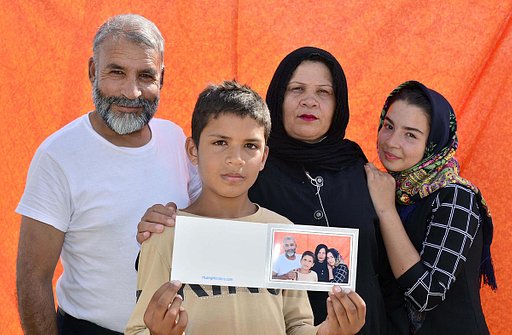
Through their project "The Power of Faces," Daniel Farber Huang and Theresa Menders photographed refugees across the world to provide them with physical family photos they otherwise may not have. Check out our interview about their amazing project here.
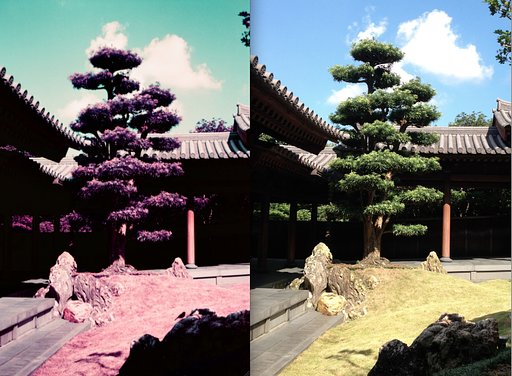
LomoChrome Purple 400 is Lomography's answer to the legendary color infrared films Kodak Aerochrome and EIR. Much like its predecessors, it's technically demanding and full of surprises. Here's a rough guide to get that purple color you've always wanted.
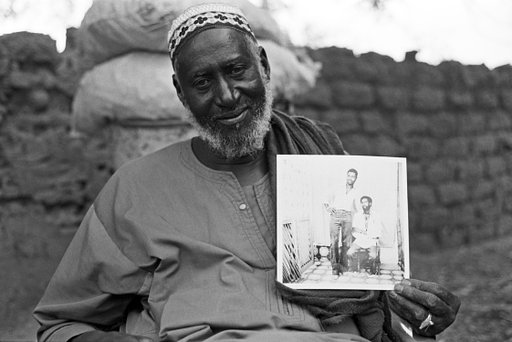
I don't know if you remember the "Story of a negative" I wrote 3 years ago during my last trip in Burkina Faso... If not, here's the link https://www.lomography.com/magazine/320910-the-story-of-a-negative
And during this year's trip to Burkina Faso, I went to see the main character of this story again, and took a shot of him and his precious print...
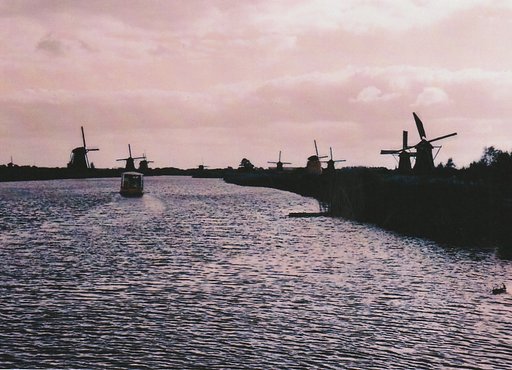
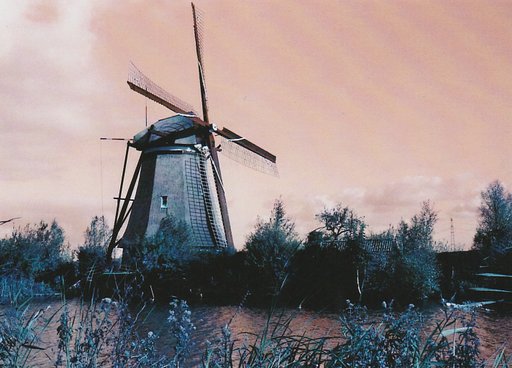
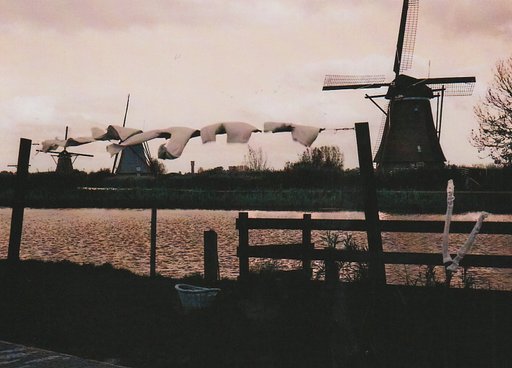
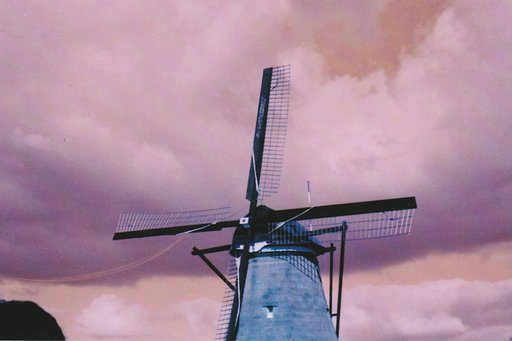
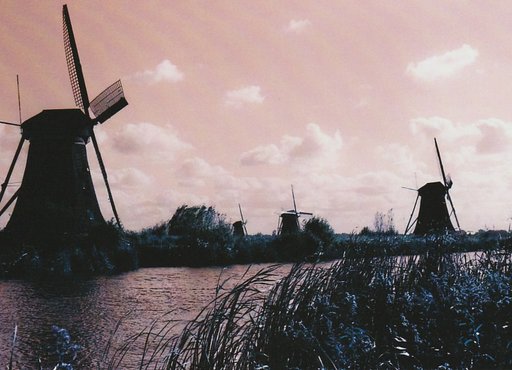
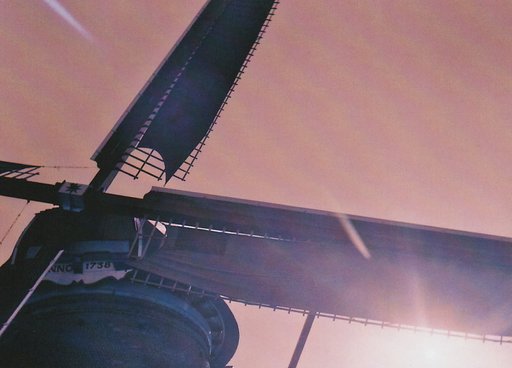
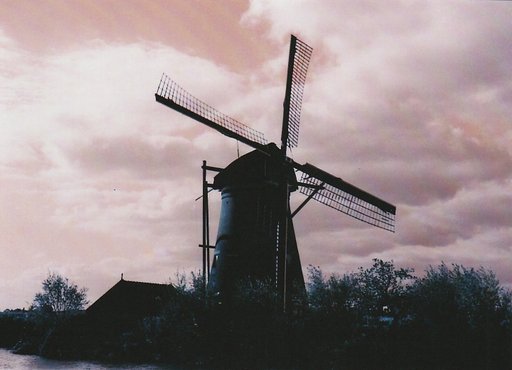
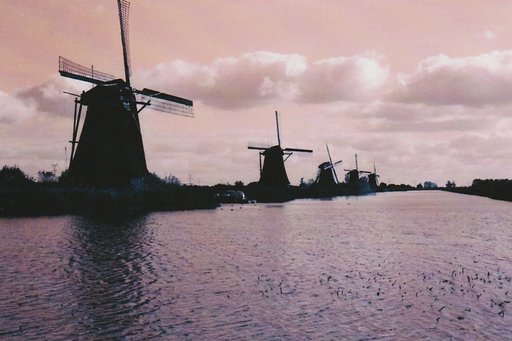
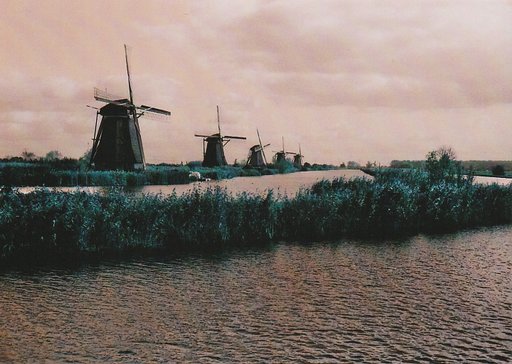
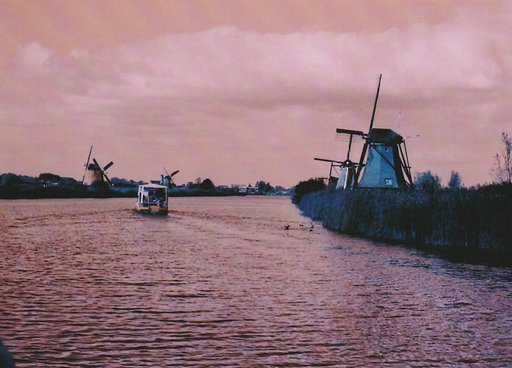
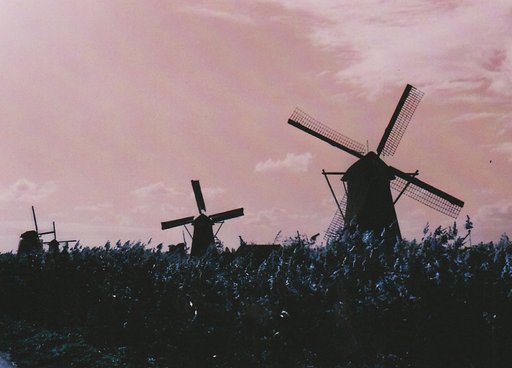
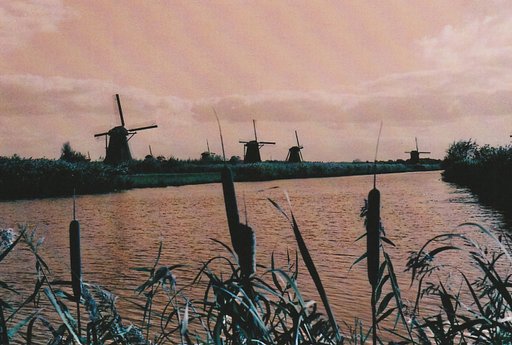
Kinderdijk is situated in the Alblasserwaard polder at the confluence of the Lek and Noord rivers. To drain the polder, a system of 19 windmills was built around 1740. This group of mills is the largest concentration of old windmills in the Netherlands. The windmills of Kinderdijk have been a UNESCO World Heritage site since 1997.
Kinderdijk is situated in the Alblasserwaard polder at the confluence of the Lek and Noord rivers. To drain the polder, a system of 19 windmills was built around 1740. This group of mills is the largest concentration of old windmills in the Netherlands. The windmills of Kinderdijk have been a UNESCO World Heritage site since 1997.
Kinderdijk is situated in the Alblasserwaard polder at the confluence of the Lek and Noord rivers. To drain the polder, a system of 19 windmills was built around 1740. This group of mills is the largest concentration of old windmills in the Netherlands. The windmills of Kinderdijk have been a UNESCO World Heritage site since 1997.
Kinderdijk is situated in the Alblasserwaard polder at the confluence of the Lek and Noord rivers. To drain the polder, a system of 19 windmills was built around 1740. This group of mills is the largest concentration of old windmills in the Netherlands. The windmills of Kinderdijk have been a UNESCO World Heritage site since 1997.
Kinderdijk is situated in the Alblasserwaard polder at the confluence of the Lek and Noord rivers. To drain the polder, a system of 19 windmills was built around 1740. This group of mills is the largest concentration of old windmills in the Netherlands. The windmills of Kinderdijk have been a UNESCO World Heritage site since 1997.
Kinderdijk is situated in the Alblasserwaard polder at the confluence of the Lek and Noord rivers. To drain the polder, a system of 19 windmills was built around 1740. This group of mills is the largest concentration of old windmills in the Netherlands. The windmills of Kinderdijk have been a UNESCO World Heritage site since 1997.
Kinderdijk is situated in the Alblasserwaard polder at the confluence of the Lek and Noord rivers. To drain the polder, a system of 19 windmills was built around 1740. This group of mills is the largest concentration of old windmills in the Netherlands. The windmills of Kinderdijk have been a UNESCO World Heritage site since 1997.
Kinderdijk is situated in the Alblasserwaard polder at the confluence of the Lek and Noord rivers. To drain the polder, a system of 19 windmills was built around 1740. This group of mills is the largest concentration of old windmills in the Netherlands. The windmills of Kinderdijk have been a UNESCO World Heritage site since 1997.
Kinderdijk is situated in the Alblasserwaard polder at the confluence of the Lek and Noord rivers. To drain the polder, a system of 19 windmills was built around 1740. This group of mills is the largest concentration of old windmills in the Netherlands. The windmills of Kinderdijk have been a UNESCO World Heritage site since 1997.
Kinderdijk is situated in the Alblasserwaard polder at the confluence of the Lek and Noord rivers. To drain the polder, a system of 19 windmills was built around 1740. This group of mills is the largest concentration of old windmills in the Netherlands. The windmills of Kinderdijk have been a UNESCO World Heritage site since 1997.
Kinderdijk is situated in the Alblasserwaard polder at the confluence of the Lek and Noord rivers. To drain the polder, a system of 19 windmills was built around 1740. This group of mills is the largest concentration of old windmills in the Netherlands. The windmills of Kinderdijk have been a UNESCO World Heritage site since 1997.
Kinderdijk is situated in the Alblasserwaard polder at the confluence of the Lek and Noord rivers. To drain the polder, a system of 19 windmills was built around 1740. This group of mills is the largest concentration of old windmills in the Netherlands. The windmills of Kinderdijk have been a UNESCO World Heritage site since 1997.
Kinderdijk is situated in the Alblasserwaard polder at the confluence of the Lek and Noord rivers. To drain the polder, a system of 19 windmills was built around 1740. This group of mills is the largest concentration of old windmills in the Netherlands. The windmills of Kinderdijk have been a UNESCO World Heritage site since 1997.