We and our partners use technologies, such as cookies, to recognize you and show you more of what you like. Please read our Privacy Policy to learn more. By using this website you agree to the use of those technologies.
I agree.
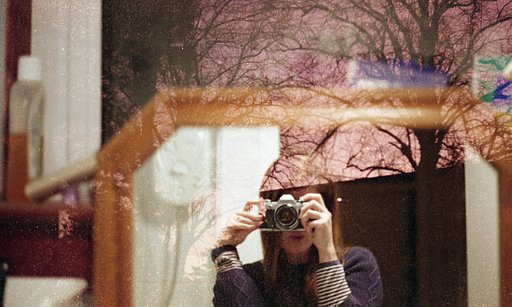
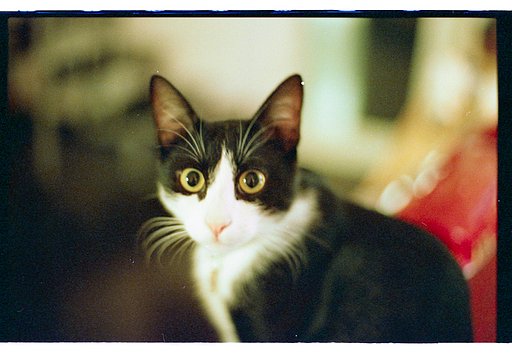
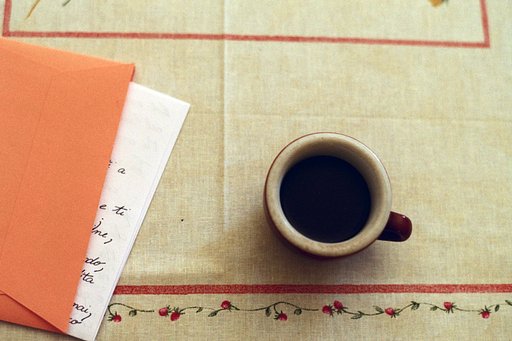
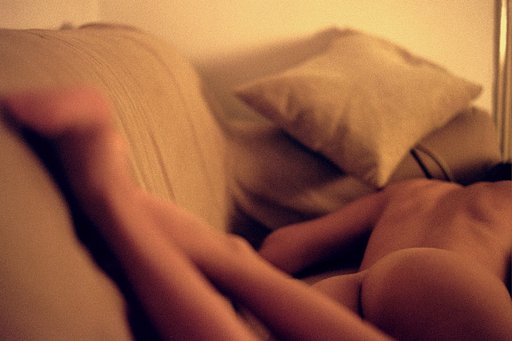
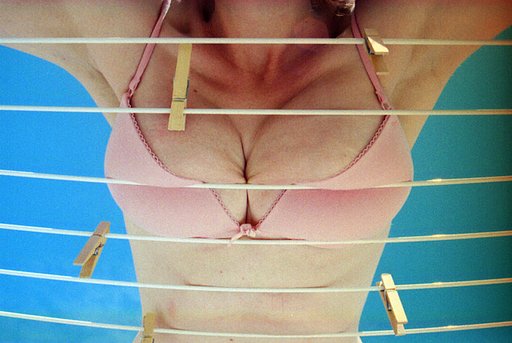
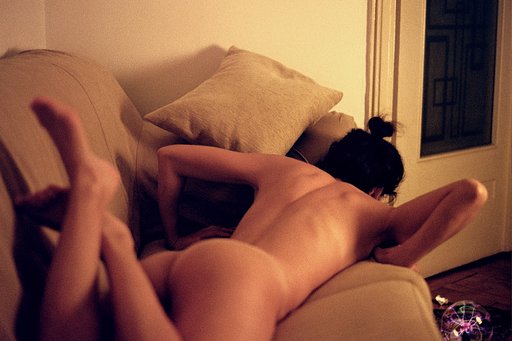
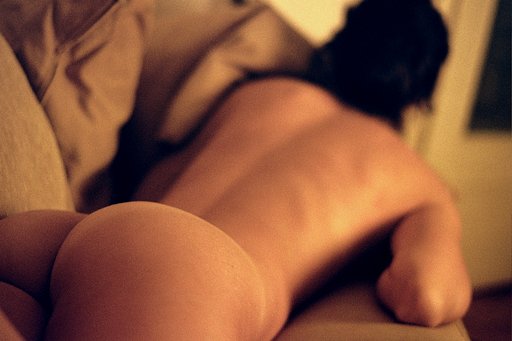
Set off to shoot a regular roll of film, but then got confused with which camera already had film in, for a film swap, so these are the double exposures resulting, having decided to double expose, just in case :-)
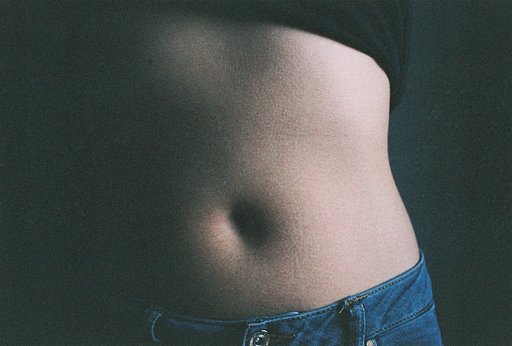
a day in my exam (make a dishes) try to realize bring the kamera inside of the kitchen ,captured few photos of my friend and my food that i made by my own,
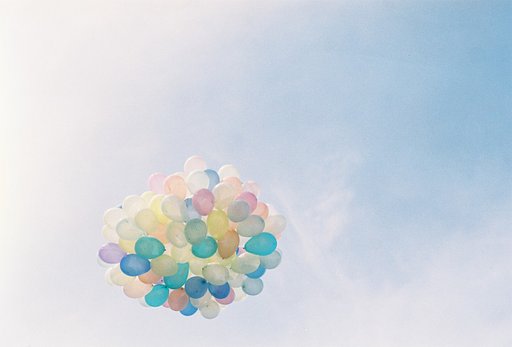
next day,i'm going upstair and take a more paronama view ,another frame spended free capured few photos about baloon just like in UP movie
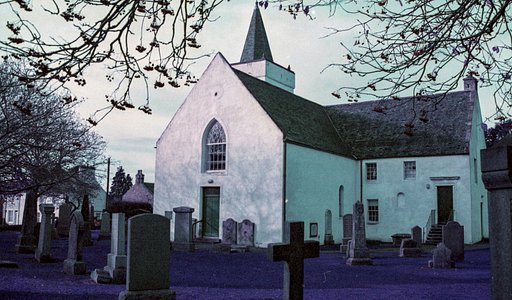
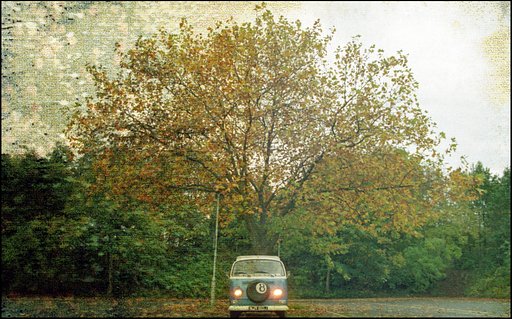
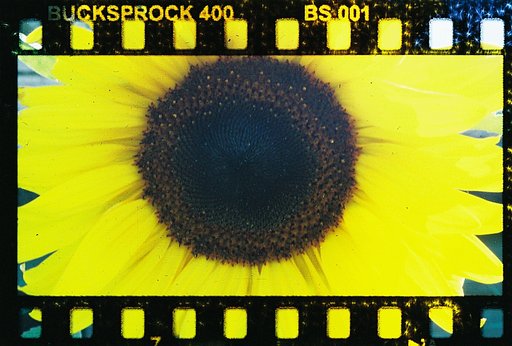
I re-used a homemade mask I originally made for my 'Vintage Spring' album here: http://www.lomography.com/homes/buckshot/albums/2014032-vintage-spring Figured it might work well for an autumn album too. I think it did!
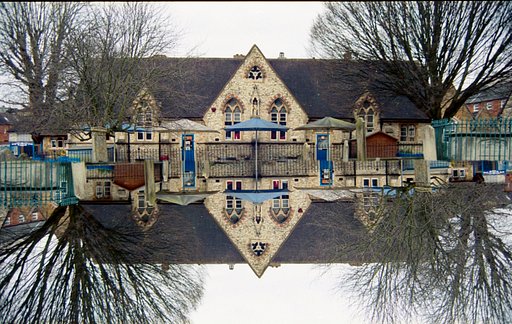
I sat with my coffee this morning looking at @hodachrome's latest incredible 'exposing both sides' (EBS) album and said to myself, Man, I gotta try that too! So I attacked the project with great energy, preparing a homemade redscale film and cutting out a strip of black card to tape inside the bottom half of the back of the camera (I don't have a Splitzer, and figured this would work just as well). No problem so far, so I set off around my town shooting stuff that was supposed to be the redscale half of the shots, shooting each scene twice (with -2 and -3 stops compensation to see which worked best), taking care to also snap each scene on my phone so I'd know in what sequence and from which angle to take the second round of exposures. I got to the end of the roll and felt pretty confident that all was going well, until, walking home to switch the film around back to the other side for the 'normal' exposures, I realised that I should have put the card strip across the top half of the frame, not the bottom, since what you see through the lens gets turned upside down on the negative. Damn, I thought, and damn again! Having gone to so much effort already, though, I figured I could still rescue it by turning the film back to the normal side, as planned, but then shooting the second round of shots with the camera upside down. And so that's exactly what I did, but something definitely went wrong somewhere, because when I got the negs back from the 1-hour lab, I saw straightaway that only half of the frame had been exposed in each shot. I've now spent all evening trying to figure out what the hell went wrong, but still haven't got the answer... and my brain hurts as a result! Anyways, I spent so much energy on this today that I decided I'd upload three of the shots. Although the top and bottom halves of what you see were separate shots, I confess I used PHOTOSHOP to combine them together. I will not submit these to any competitions, and upload them here only so that one of you gurus out there might help me figure out how I f*'d up, and also to serve as a reminder to myself that, one day, I simply MUST master this technique...! Thanks for your patience if you made it this far, and like I said, I'd appreciate any help you have to offer. Thank you!
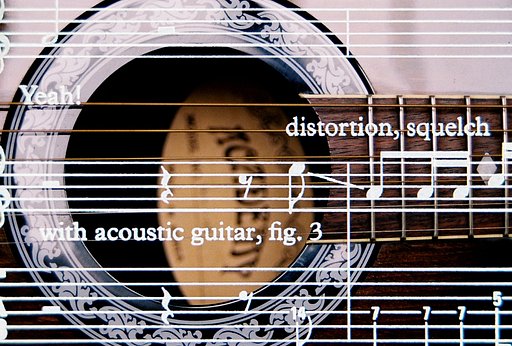
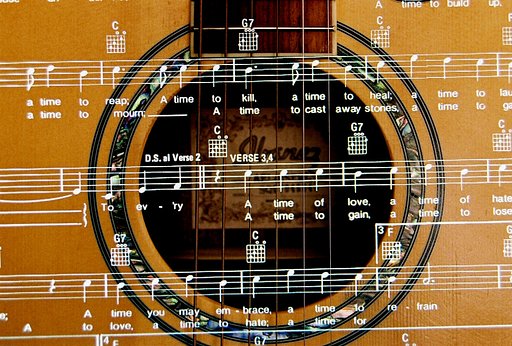
Double-exposure album: first layer was sheet music from my guitar books I scanned and inverted (to make white notes/lyrics on black background) then shot on my computer screen at f3.5, shutter speed 1/2s; second layer was various musical instruments and equipment I have around my house, shot with indoor lighting at f3.5–f5.6, shutter speed 1/15–1/1s.
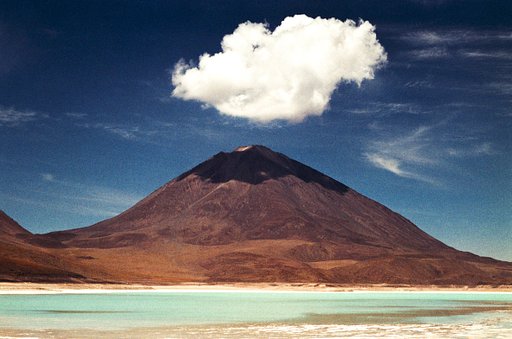
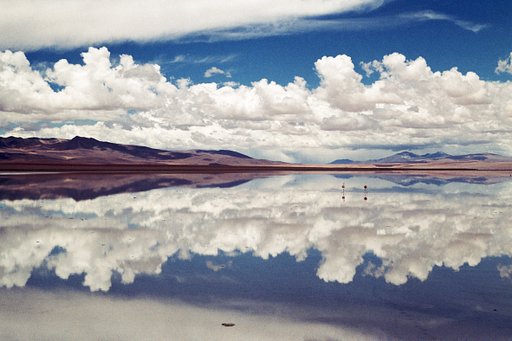
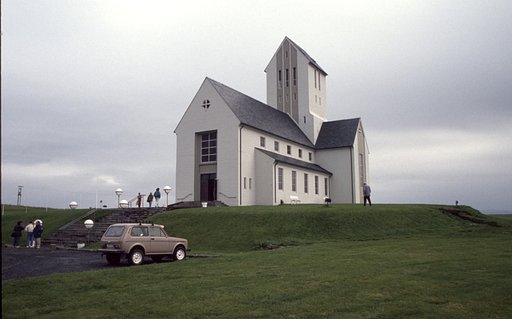
These are from a cycling trip to Iceland, all shot with a Pentax P50 on Fujichrome film. I've posted some of these before, but a new scanner has given me an excuse to revisit them. I haven't done any retouching or enhancement.
Double-exposure album: first layer was sheet music from my guitar books I scanned and inverted (to make white notes/lyrics on black background) then shot on my computer screen at f3.5, shutter speed 1/2s; second layer was various musical instruments and equipment I have around my house, shot with indoor lighting at f3.5–f5.6, shutter speed 1/15–1/1s.