We and our partners use technologies, such as cookies, to recognize you and show you more of what you like. Please read our Privacy Policy to learn more. By using this website you agree to the use of those technologies.
I agree.
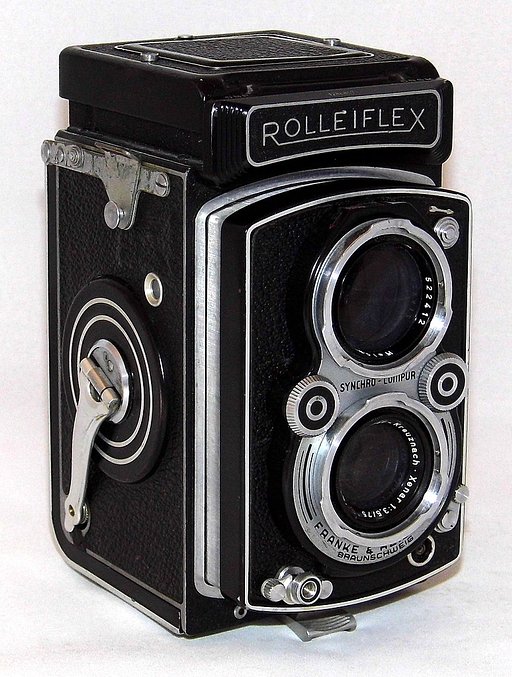
The Automat was the first Rolleiflex Twin Lens Reflex camera with an automatic film counter system, and a "Grand Prix" winner in the 1937 Paris World Fair.
The Smena 35 is a true lomo camera. Maybe not the most noted but it makes a great companion. This little guy doesn't look all that much like it's siblings, but it's definitely a Smena.
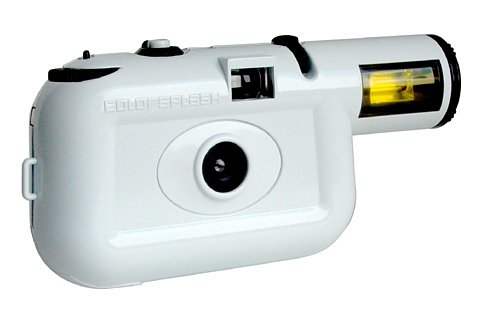
During my first year of Lomographic Studies, I only had a Fisheye Camera and Colorsplash Camera in my arsenal. I was literally craving for an LC-A so I decided to have a father-and-son talk with my dad about the legendary camera, hoping he might be impressed enough to buy me one. My plan backfired as he told me he already has a Soviet product in his collection, being a camera enthusiast himself.
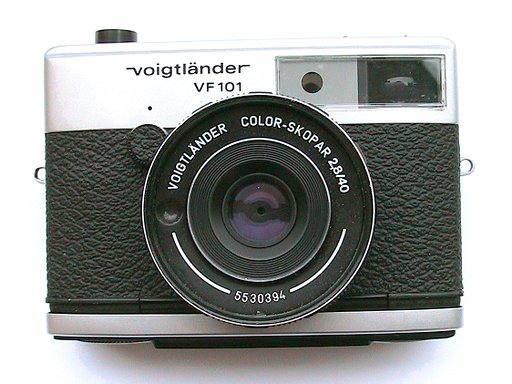
Searching through the internet what kind of new camera I could buy, I caught a sight of a nice rangefinder camera branded Voigtländer. The magic name of this optical factory and my desire for a cool semi-automatic rangefinder camera convinced me to buy this Voigtländer VF101. After a few researches I found out a mathematic formula for this camera: "Voigtländer + Zeiss Ikon + Rollei = VF101" – wow - that sounds a strange combination! How did these 3 prestigious names of German camera producers go together to produce this little tiny and sweet VF101 (who has also a twin-sister called Zeiss Ikon S312)... well, that needs a little history lesson ...
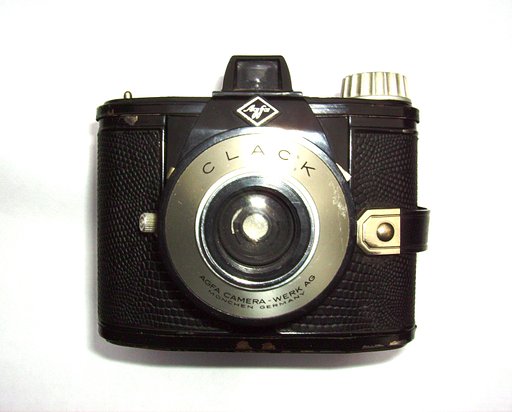
The Agfa Clack camera was produced from 1954 until 1965. It uses 120 mm film and is part of the Agfa box series – several kinds of cameras designed like a box which were inexpensive and easy to use for everybody. After I had unpacked my Agfa Clack camera I almost had to laugh because of its unusual and somehow funny look – it is the big black teddy bear among all my other analogue cameras. I found it on an online auction for 8€.
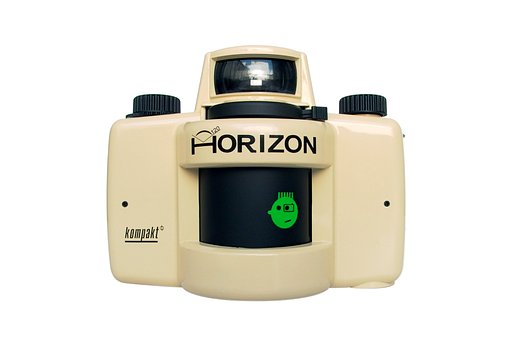
When I discovered Lomography, I immediately felt in love with the Horizon Kompakt camera. Wow, what stunning pics this camera could produce, I couldn't stop thinking and dreaming about it! But I couldn't afford this camera at the time and hoped to save enough money to buy one in the future.
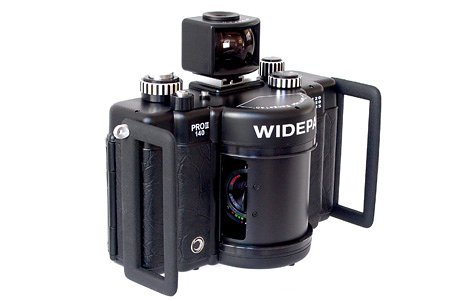
Recently we had the very first "Wide Pan Pro II 140":http://shop.lomography.com/widepan/ returned to our office, because there was a slight problem with the 2-second setting. The good news is that everything else on the camera worked perfectly. So before sending this camera back to the lomo-doctor for a check-up, I decided to take it out for a test-drive and see what all the fuss is about.
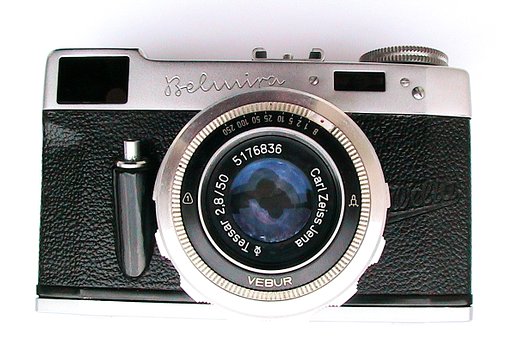
My quest for finding the best and most beautiful cameras from the former east german republic, let me discover a very special and unusual camera named "belmira" produced by the Welta. The cameras is known also under the name of "Belca Belmira".
In fact the camera was first produced by the" VEB Belca Werk" from 1953 to 1958 and then, after the integration in a new industrial structure, was continued by the "Welta Kamera-Werk Freital". Both entreprises came from Dresden, and were founded before the 1st world war and were re-organized after the 2nd war by the new DDR socialist régime. Welta itself was integrated in the VEB Pentacon after 1964...
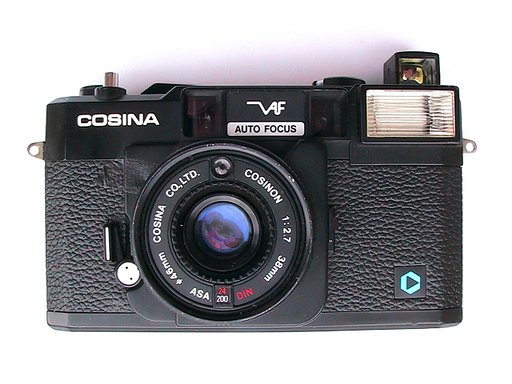
One month ago I was surfing on the internet looking for new cameras and searching information about camera history, and my eyes were caught by a really nice camera: the Cosina AF-35 "Visitronic". The brand Cosina made me immediately think to the history of LCA (as the Cosina CX2 inspirated the conception of the legendary Lomo Compact Automat...) and attracted me of course. But I was also very interested in the "autofocus" system from a late 70's (apparently 1977-78) camera called "Visitronic".