Welcome to the school for analogue photography – 32 complete courses covering everything from the basics to experimental techniques, no stuffy classrooms required!
Search Results
-
What is light painting and how does it work?
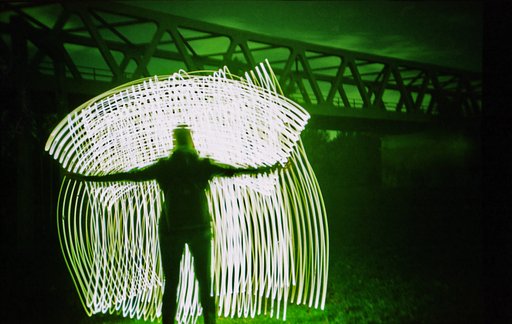
Light Painting (sometimes known as Light Graffiti) is a technique where you can alter the photo by creating movements of light within the image.
-
Why are my film photos blurry?
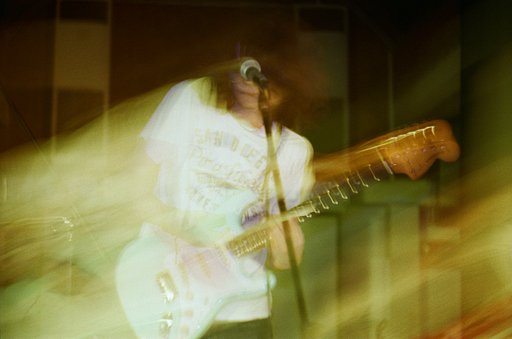
The causes of blurry photos can be traced back to three primary culprits: movement, focus, and lenses.
-
What is motion blur?
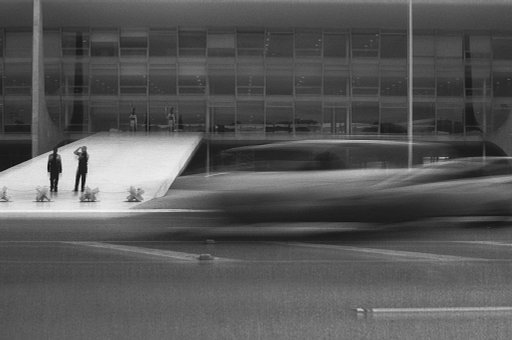
Motion blur is an effect where movement appears blurred in a photo. It happens when a subject or the camera moves while the shutter is still open.
-
What is Solargraphy?
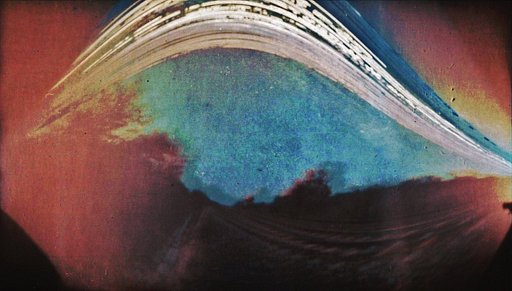
Solargraphy is the photographic process of tracking the sun’s path in a span of days, months, and even years, using DIY pinhole cameras. The long exposure technique is known for gritty, experimental results, evidently merging the artistic and scientific aspects of analogue photography in an image.
-
How has portrait photography changed over time?
Portrait photography began with the instrumental invention of the daguerreotype, and has taken many different forms since 1839.
-
When did photojournalism begin?
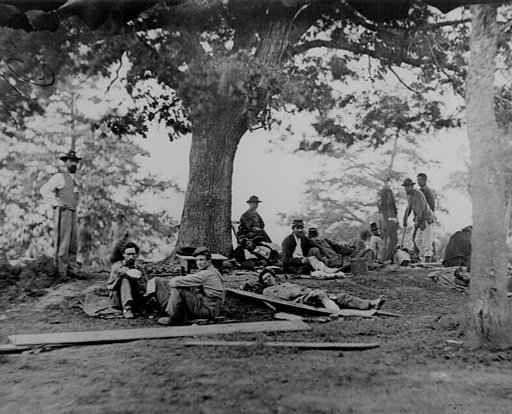
Photojournalism began with the first photographs of war published in newspapers during the mid-1800s.
-
What is a Neutral Density (ND) filter?
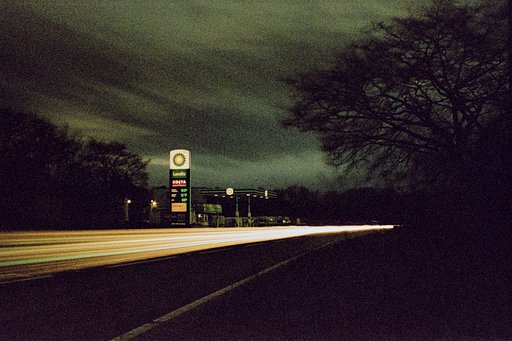
Neutral Density filters, also known as ND filters, are lens accessories that reduce the amount of light entering your lens, giving you greater control over exposure in bright lighting conditions.
-
What are the best conditions for shooting low ISO film?
Since low ISO films are less sensitive to light, the best conditions for shooting them are bright conditions such as outdoors on sunny days.
-
What kind of effects will I get with a low ISO film?
Using low ISO film results in less grainy and higher quality images with more detail.
-
Do pinhole cameras need to focus?
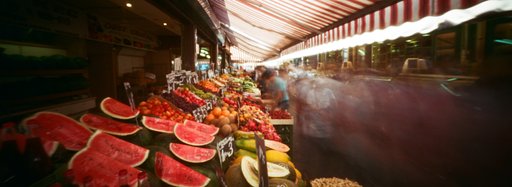
Pinhole cameras do not need to focus. Their tiny aperture means the camera has a nearly infinite depth of field.
-
What camera settings should I use for low light film photography?
There are a few settings you can tinker with to take photos effectively even in low light conditions. These include opening up your aperture or using a longer shutter speed in order to allow more light when taking a photo. You can also use a flash to take clearer photos of your subjects in low light.
-
What are the best tips for light painting?
With Light Painting there are no strict rules on the outcome, but here are some valuable tips to help you get the best shot.
-
What are some features of Lomography Instant cameras?
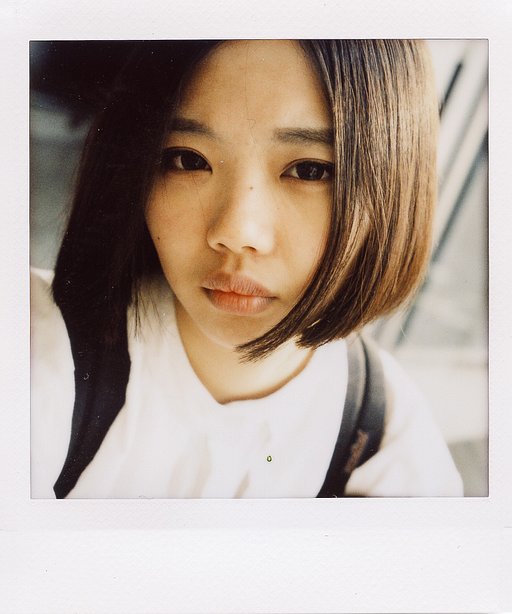
The Lomography range of instant cameras have a wide variety of features including multiple exposure mode, bulb mode, remote control shutter release, and glass lenses.
-
How to do a long exposure with an instant camera?
To do a long exposure with an instant camera, make sure your camera has a bulb or a long exposure mode as one of its settings. Lomography’s instant camera range whether it’s Lomo’Instant Square or the Diana Instant Square, have previously mentioned features that will allow you to experiment with long exposure and light painting
-
What do I need to start creating long exposures or light painting?
Having a camera with manual or bulb mode, as well as a tripod, and a portable light source is all you need to start creating long exposures and light painting.
-
How long should I expose the frame for a long exposure photo?
To start creating a long exposure you should set the shutter to stay open for at least 2 seconds. From here you can start to experiment and figure out what shutter speed works for the effect you want to create.
-
Which Lomography cameras can be used for long exposures or light painting?
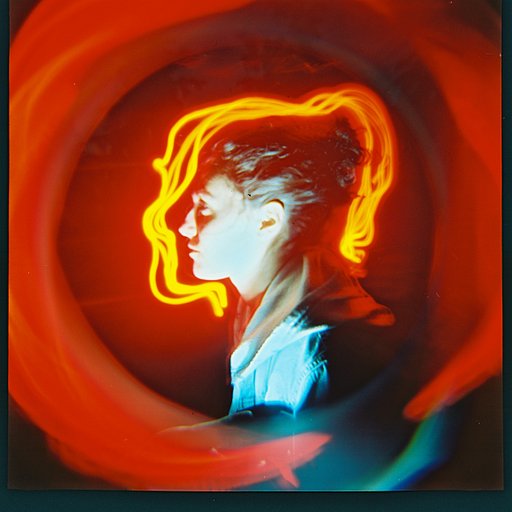
Most of the Lomography cameras come with a bulb function which allows the shutter to stay open for as long as the user is holding the shutter release button. Other Lomography cameras also have the option of using a shutter release cable.
-
What are the best Lomography cameras for beginners?
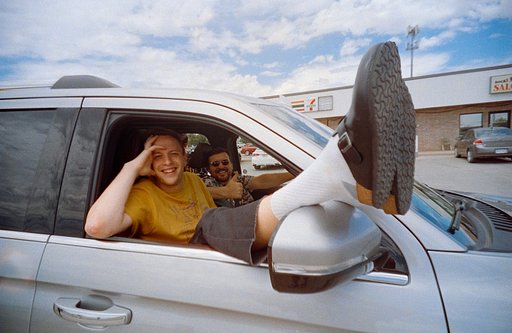
Lomography has many cameras made for different occasions. For taking your first journey into film, wanting to learn the more technical side of photography, or even just letting loose and experimenting, there is a Lomography camera for you. This list highlights five cameras: the Simple Use Camera, Fisheye No. 2 35 mm Camera, Diana F+, the Lomo LC-A+, and the LomoApparat, which are all great starting points to your analogue journey.
-
What is the shutter speed?
Another photography basic every beginner photographer should learn and take to heart is using the right shutter speed.
Can’t find an answer to your question? Or do you have some useful advice to add to one of our courses? We want to build the world’s largest analogue learning space, so please send any further requests or information to [email protected] and we’ll take a look!