What are the best lightmeter apps to use for film photography?
Lighting is everything in photography, and lightmeter apps are convenient for calculating the exposure for any scene you’d like to capture especially on film where it will take a while to see the end results.
Here are a few of the best lightmeter apps for iOS and Android devices to accompany your photography in the absence of a handheld lightmeter. Feel free to check out each and see which one works the best for you!
myLightMeter Pro
With its visual design charmingly resembling an old lightmeter, myLightMeter Pro is one of the top-rated lightmeter apps by film photographers for its ease of use and reliability, and has been around for a few years. It is created by photographer David Quiles and can be used for both digital and analogue photography.
Lightme
Lightme has a clean interface and is conveniently designed for one-handed use. It is easy to use for beginners but also has advanced features for non-beginners such as reciprocity failure calculation and pinhole mode for pinhole photography.
Light Meter by WBPhoto
Also available for both iOS and Android, Light Meter has lots of features for calculating exposure such as custom value entry for pinhole cameras and other non-standard cameras, white balance meter and reciprocity calculator, among others.
Photo Friend
Photo Friend is an easy-to-use lightmeter app perfect for beginners trying out a lightmeter for the first time or any photographers who prefer a no-frills lightmeter app.
Lumu Light Meter
With its sleek and modern design, Lumu Light Meter is one of the most convenient light meter apps for anyone starting out with film photography. It’s also equipped with flash exposure metering for flash photography.


Can’t find an answer to your question? Or do you have some useful advice to add to one of our courses? We want to build the world’s largest analogue learning space, so please send any further requests or information to [email protected] and we’ll take a look!
Photos From Other Students
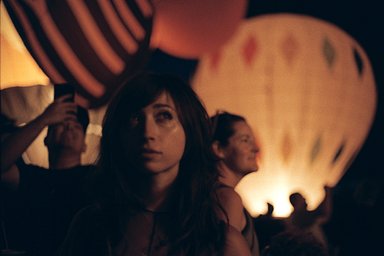

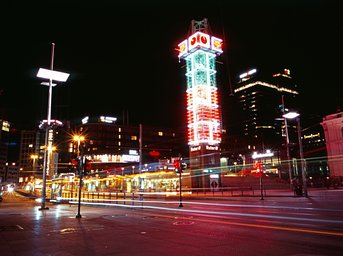
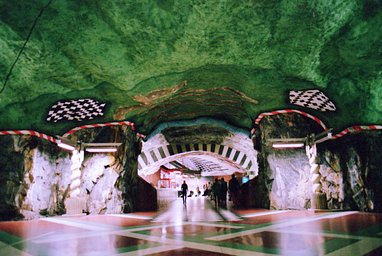
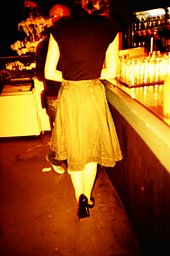
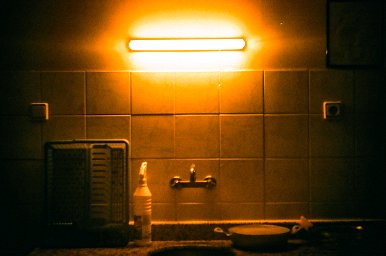
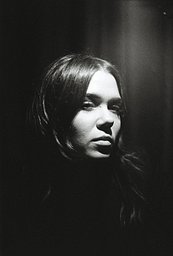
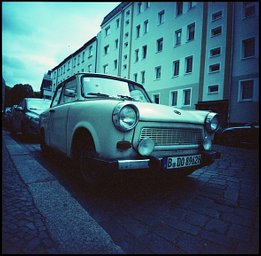

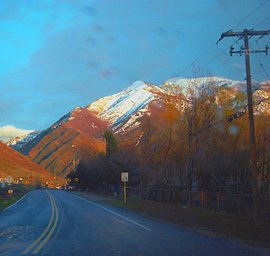
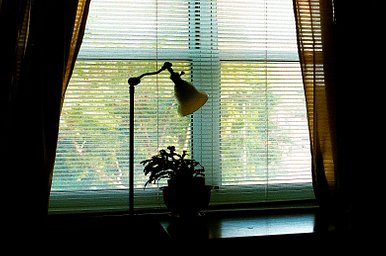
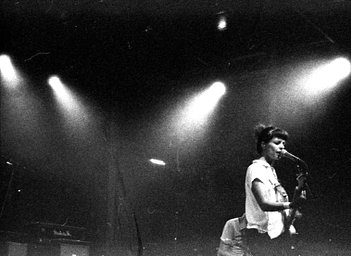
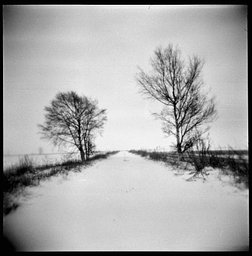
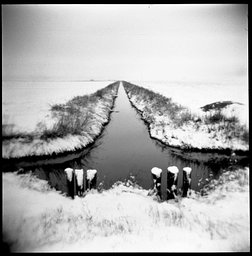
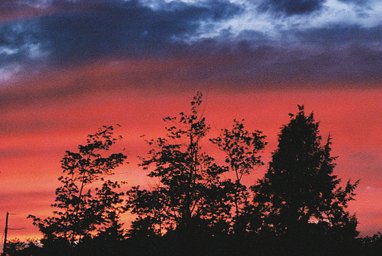
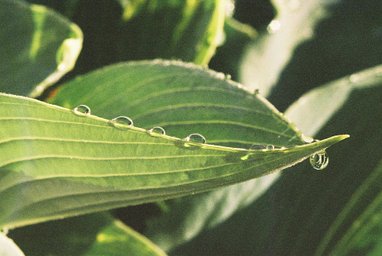
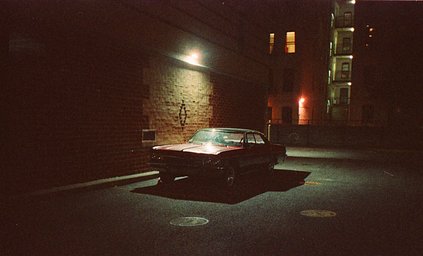
Do you want to see your photos featured here for all Lomo School students to see? If you think your photos fit this article just tag them with “low light”. We take a look at all these photos and select our favorites. See all photos tagged with “low light” here.
More Courses on This Subject
-
What are some tips for shooting film in low light?
From using film stocks with higher ISO, using prime lens, tripod and lightmeter, here are a few tips for shooting in low light situations such as overcast days, night shoots and indoor set ups.
-
Should you push film in low light?
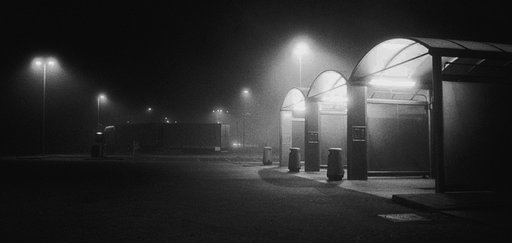
Pushing the film in low light conditions depends on a few variables including how dark the environment is, and if you think it will be necessary to let in more light to achieve the image you’re going for.
-
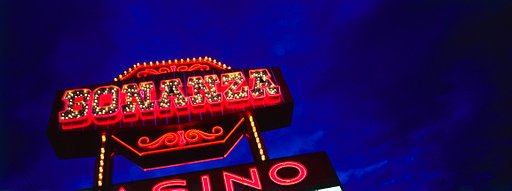
What are the best tips for shooting neon lights on film?
From using fast film, exploring multiple exposures and perfecting your camera settings, here are some of the best tips for capturing neon lights on film.
-
What camera settings should I use for low light film photography?
There are a few settings you can tinker with to take photos effectively even in low light conditions. These include opening up your aperture or using a longer shutter speed in order to allow more light when taking a photo. You can also use a flash to take clearer photos of your subjects in low light.
-
How can I shoot film at night without a tripod?
There are a few tricks you can use to get a better shot without a tripod to work with, these include maximizing the available light source around you, picking a higher ISO film stock or pushing the film, as well as using a flash and faster lenses.
-
What are the difficulties of shooting film in low light?
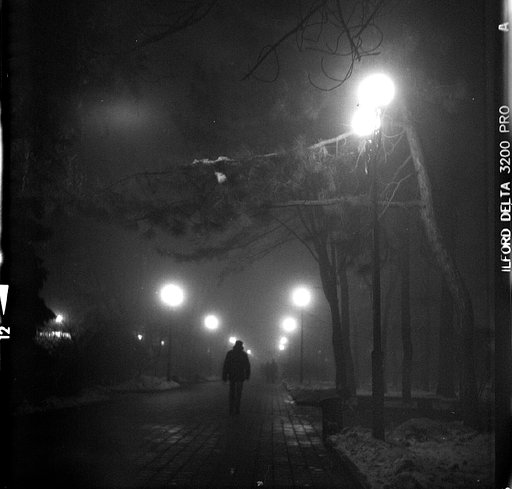
There are a few difficulties you can face when shooting in low-light conditions such as indoors, places with a lot of shade, underwater, or at night time. The main difficulty is potential underexposure resulting in dark images with barely visible subjects. The outcome could also be grainier than photos taken in daylight.
-
What ISO film should I use when shooting film at night?
When shooting in low light conditions such as indoors or at night time, it’s best to choose a film stock with a high ISO such as ISO 400, 800 or 1600.
-
What are some features of Lomography Instant cameras?
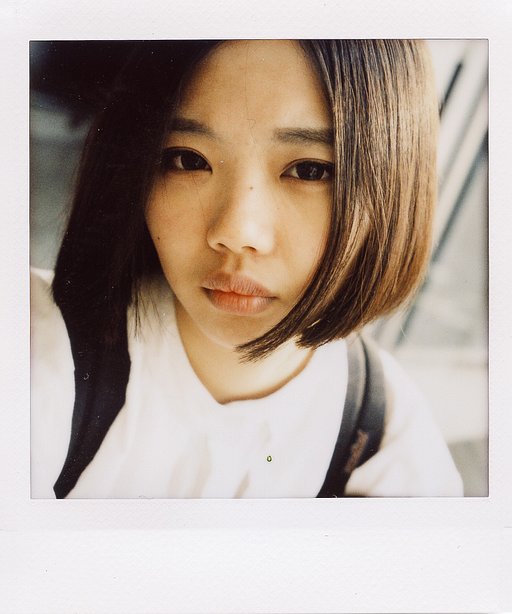
The Lomography range of instant cameras have a wide variety of features including multiple exposure mode, bulb mode, remote control shutter release, and glass lenses.
-
What is pushing or pulling film in photography?
Pushing or pulling film may sound daunting, but it’s simple. By adjusting ISO and development time, you can handle tricky light and unlock unique looks.