What is pushing or pulling film in photography?
In film photography, you’ll often hear the terms “pushing film” or “pulling film.” The concept can sound confusing but it’s actually very simple. Let’s break it down.
What Does Box Speed Mean?
Every film comes with a “box speed” ISO rating. This is the ISO at which the film is designed to be shot to achieve the best results.
What Does Pushing Film Mean?
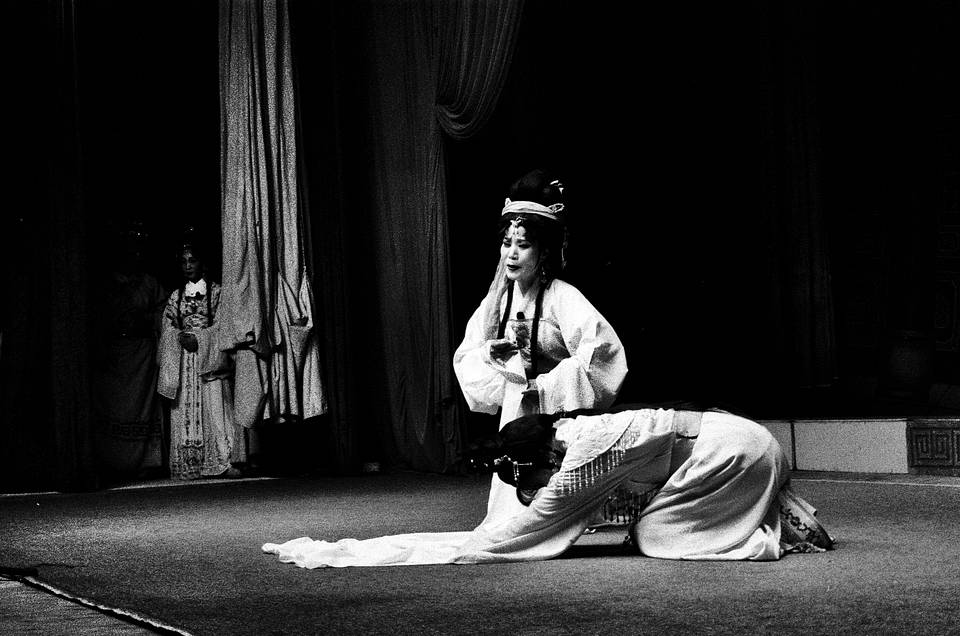
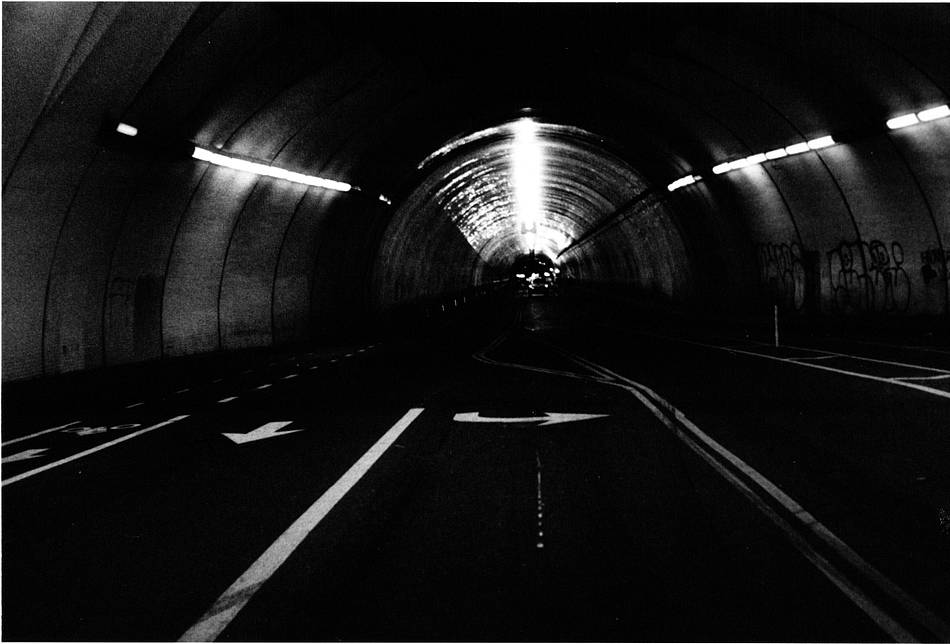
Pushing film means shooting the film at a higher rating than its box speed.
• Example: shooting ISO 400 film at ISO 800.
• You are giving the film less light than it needs, which essentially means underexposing.
• To compensate, you extend the development time in the darkroom or at the lab. This allows you to bring back the details you would have lost from underexposure.
• This technique allows you to keep shooting handheld in low light conditions.
• The results are often higher contrast and stronger grain.

What Does Pulling Film Mean?
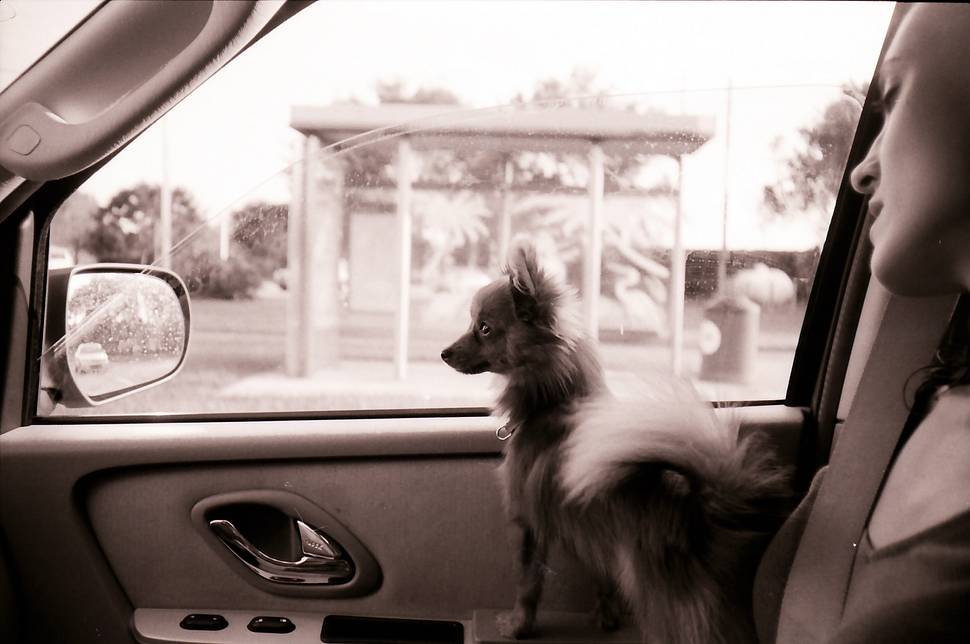
As you have probably guessed, pulling film is simply the opposite of pushing. When pulling film you overexpose your film, which reduces contrast and brings more detail into the shadows. Some photographers use it creatively, though it’s less common than pushing because most films handle overexposure well.
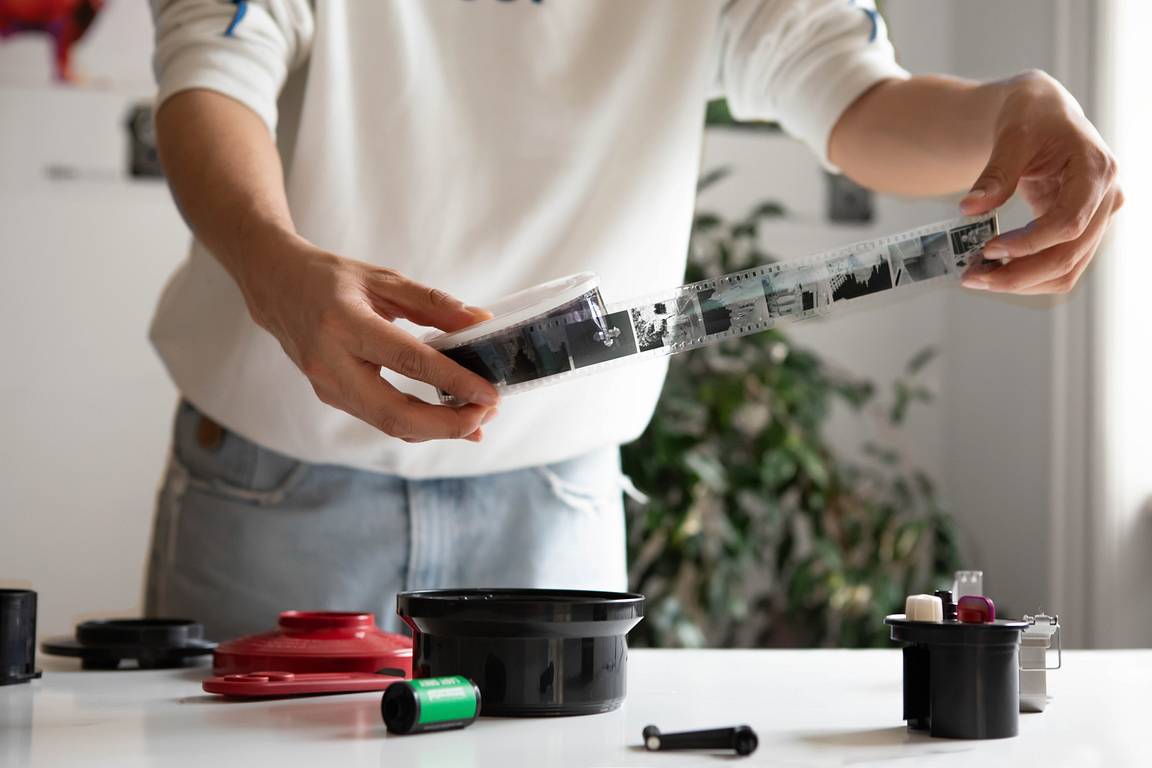
Remember, if you only alter the speed at which you rate the film, all you are doing is overexposing or underexposing. The real pushing and pulling magic comes during development.
• Example: shooting ISO 400 film at ISO 200.
• You are giving the film more light than it needs, which essentially means overexposing.
• To compensate, you shorten the development time in the darkroom.
• The results are typically lower contrast, smoother tones, and more details in the shadows.
What Does a Stop Mean?
Film is pushed or pulled in stops, which refer to doubling or halving the amount of light the film receives:
Pushing one stop means doubling the film speed:
• ISO 400 pushed +1 stop → ISO 800
• ISO 400 pushed +2 stops → ISO 1600
Pulling one stop means halving the film speed:
• ISO 400 pulled -1 stop → ISO 200
• ISO 400 pulled -2 stops → ISO 100
Why Push or Pull Film?
The main reason why you might want to push or pull film is when the available light doesn’t match the film you have on hand.
In low light, you can push your film by rating it higher to keep shooting handheld. The opposite problem of too much light usually doesn’t pose the same issues. In very bright light, pulling is less common because most films handle overexposure well, but it can still be useful to reduce contrast and bring out more detail in the shadows.
Some photographers deliberately choose to push or pull film to achieve these distinctive looks. Pushing can add contrast, grain, and stronger saturation, while pulling creates lower contrast, smoother tones, and a softer overall feel. Both techniques offer creative control and can be used to shape the mood of the final image.
Experiment with pushing and pulling to see which effects work best for your style. If you’d like to dive deeper, check out our Magazine feature: Testing the New LomoChrome Color ’92 Sun-Kissed Edition: Pulling and Pushing.
14 Likes
cat41, zpandre, npyskater, overide, muellerzwo, djruines, dariusz, oukrid, andriisierov, bogat23k, harveyh, michaeltherieau, gricksch & birgitbuchart.
Can’t find an answer to your question? Or do you have some useful advice to add to one of our courses? We want to build the world’s largest analogue learning space, so please send any further requests or information to [email protected] and we’ll take a look!
Related Products
More Courses on This Subject
-
Will X-ray machines at airports ruin my film?

Traditional x-ray machines are unlikely to affect film of ISO 800 and lower. However, the new and more powerful CT scanners can damage any and all film. We recommend always asking to have your film inspected manually.
-
What are some tips for shooting film in low light?

From using film stocks with higher ISO, using prime lens, tripod and lightmeter, here are a few tips for shooting in low light situations such as overcast days, night shoots and indoor set ups.
-
Should you push film in low light?
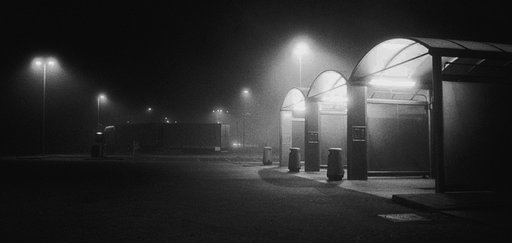
Pushing the film in low light conditions depends on a few variables including how dark the environment is, and if you think it will be necessary to let in more light to achieve the image you’re going for.
-
What are the different types of film cameras?
From a SLR, to TLR, to rangefinder or point & shoot cameras – find out how these different types of cameras operate.
-
What is the sunny16 rule?
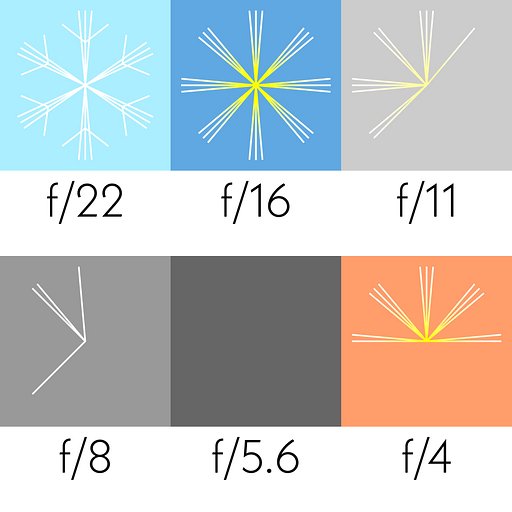
The Sunny 16 Rule is a way to meter for correct exposure during daylight without using the camera’s meter. It is great for photographers who don’t want to get slowed down by metering for every shot or rely too much on their camera’s in-built light meter.
-
What does it mean to overexpose vs underexpose a photo?
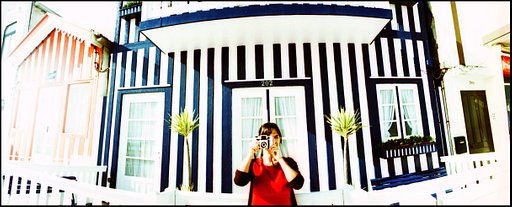
Put simply, an overexposed image is one that is brighter than the reality of the scene you’re trying to photograph, while an underexposed image is darker than reality. Overexposure generally means you are giving your film too much light, and with underexposure you have the opposite problem of not enough light.
-
What are light leaks in film photography?
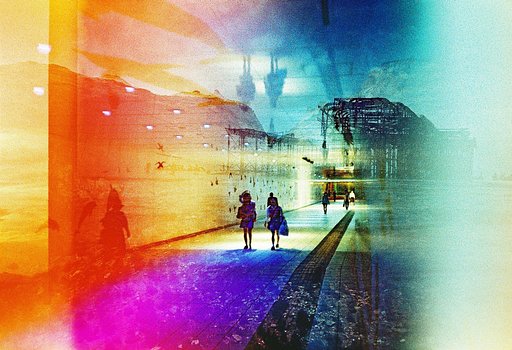
Light leaks are patches of red, orange, and yellow streaks found on film images, caused by a hole or gap in the camera 'leaking' light into the chamber. There are different types of light leaks, which can indicate which parts of the camera could be causing the leak.
-
What causes overlapping photos in film photography?
Whether done intentionally or not, overlapping photos in films can primarily be attributed to images stacking when a film roll does not advance. Factors which influence this include improper film loading, sprocket or perforation issues, multiple exposures, or automatic camera malfunctions.
-
How to choose film ISO based on lighting conditions
Choosing the right film ISO gives you more control over how your photos turn out. To know which ISO to use, consider what you’re shooting and the lighting conditions you’ll be working with.