The Pinhegg – My Journey To Build An Egg Pinhole Camera
49 164 Share TweetSince I started pin-holing the world, I have had the strong desire to make a special camera, with the purpose of shooting just one photograph. The purpose was to sacrifice the camera in the process of photo creation – I wanted the camera to become the photograph. To help you understand, the process from the camera to the photograph is the same that ties the baby bird to the egg: the bird grows protected from the shell and when it’s ready breaks it and comes out. This is why I decided to create the Pinhegg – An Egg Pinhole Camera.
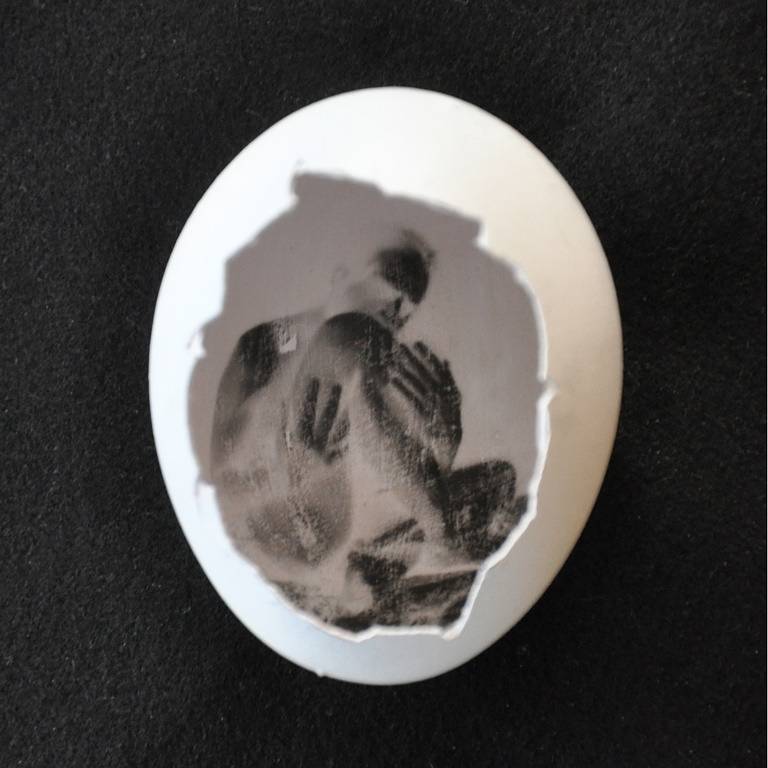


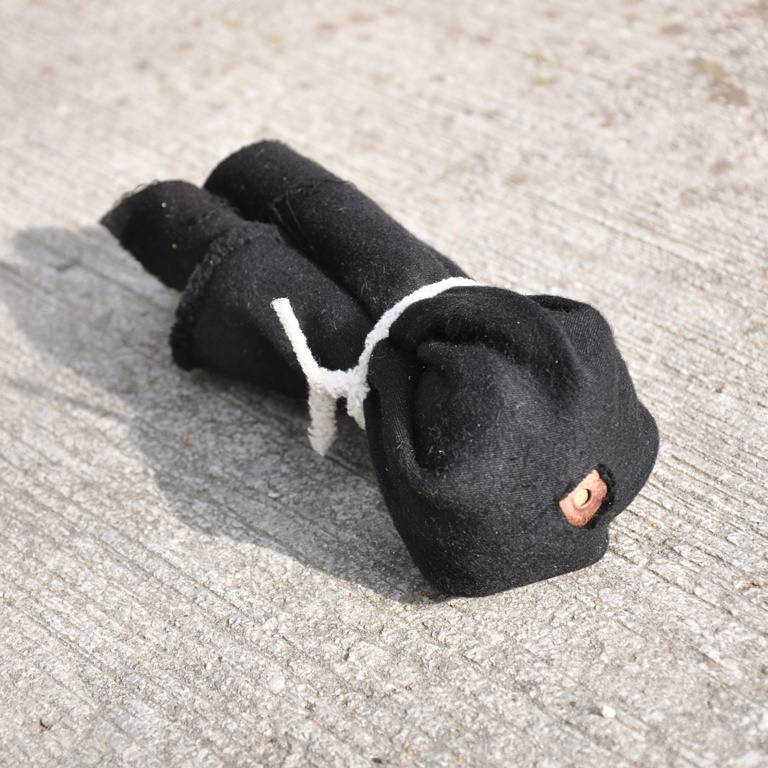
On one hand, it all seemed so easy – I would create the Pinhegg without breaking the egg, using it as a camera obscura and, upon opening the egg, find the photograph impressed on the shell. Great! But on the other hand, the project didn’t seem easy at all and I postponed it for years – until, that is, Lomography and Pinhole Day happening right on Easter gave me the right pretext to do it.
I tried several times, in several ways, soiling my hands with a foul deed made of broken eggs. Now the chickens look at me in pain and terror, but I finally found the right recipe for my Egg pinhole.
Things You’ll Need
Here are the materials I used as well as the traits you’ll be needing for this challenging project:
- Egg
- Pinhole
- Liquid photographic emulsion (I used Rolley’s)
- Photographic acid (processing and fixing)
- Adhesive tape
- Black cloth
- A garden
- Stubbornness
- Patience
- More Patience
Instructions
Step 1: Take the egg and drill it with a rotary tool (I used a Dremel) in order to obtain a square hole (2 cm). At this point, usually, you will find yourself covered in egg juice. Before washing yourself be sure that the egg’ shell is empty.
Step 2: Wash yourself and the interior of the egg. In a dark room paint the interior of the shell with the emulsion, in order to make it light-sensitive.
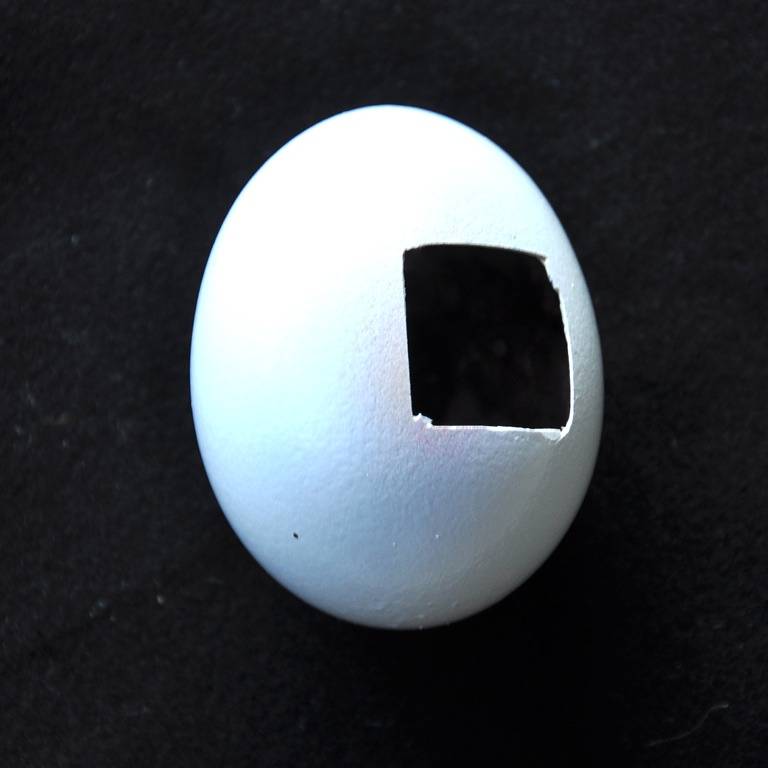
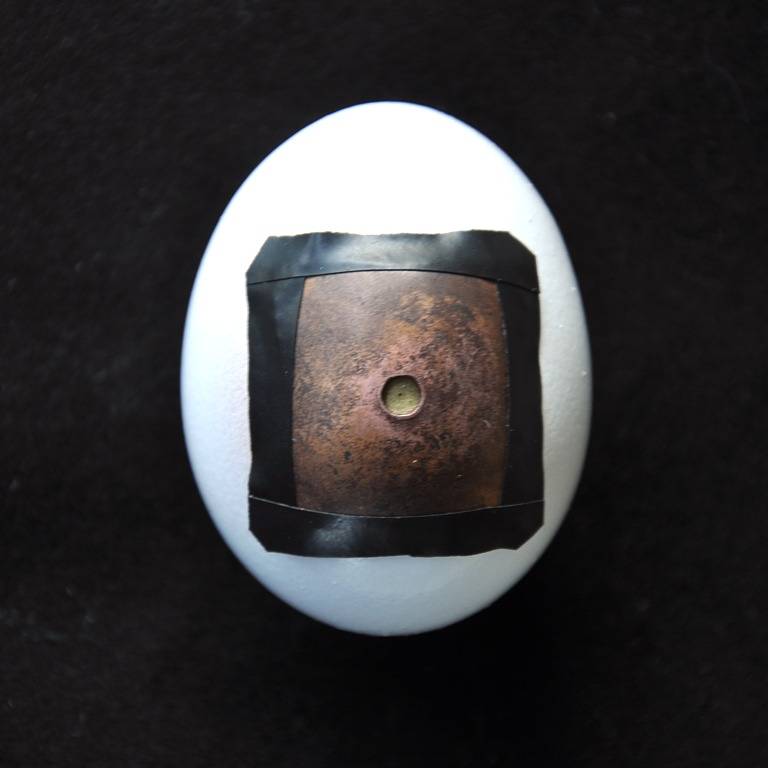
Step 3: Now block the opening with a wrought-brass pin-holed plate, trying to restore the natural egg-ness of the shell. Use the black tape seal the structure. You’ll notice that the shell is really transparent: to avoid any problem, wrap it with the black cloth, carefully leaving out the pinhole. During each stage of this process, the egg could break. Usually, it does.
Step 4: You should finally manage to have a perfect and clothed Pinhegg. Now take it to the garden. Place yourself (I did it crouched, naked, motionless) in front of the egg (facing the pinhole!) for about thirty seconds. Luckily, my neighbors spared me from reporting my behavior to the police – I hope yours to be so kind too.
Step 5: When I felt that the egg was impressed enough by my naked body, I went back to the darkroom. I suggest you do the same. Even if you stay clothed. There, unwrap the egg, remove the pinhole (carefully) and fill the egg with the processing acid and the fixing one, in this order.
Step 6: When it’s done, you should see something appear on the inner surface. You can widen the opening on the egg and take a better look: the photograph should be there, negative and lightly warped by the roundness of the shell. At this point, I took a photograph (with a ‘normal’ camera) of the shell and turned it negative in order to see the positive of the original. You can do the same or challenge yourself to find another way to do it.
Step 7: The vision of my brushy naked body wasn’t so nice to entice me to take more photographs, so I asked a model to pose for my egg. The egg must have appreciated this because the photos I took after that decision were wider and more definite than my self-portrait.
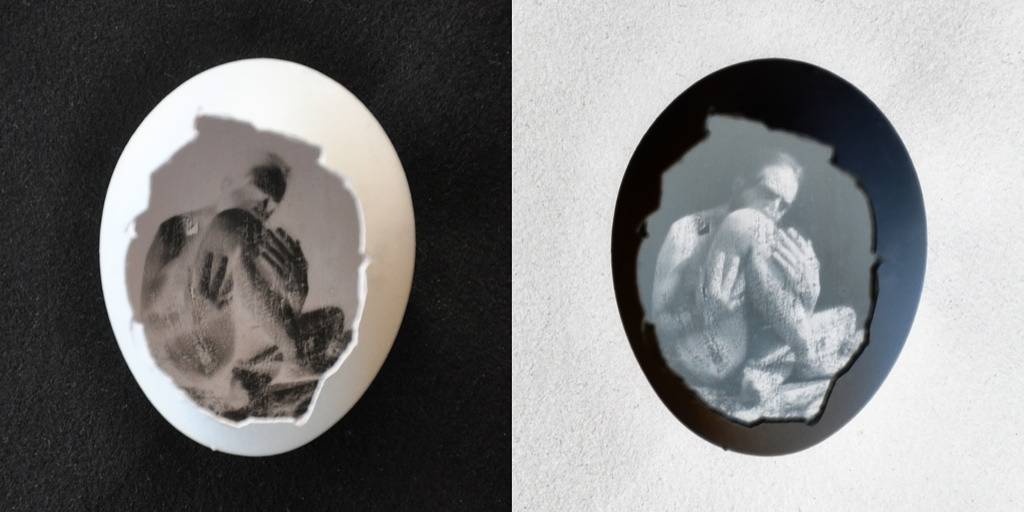
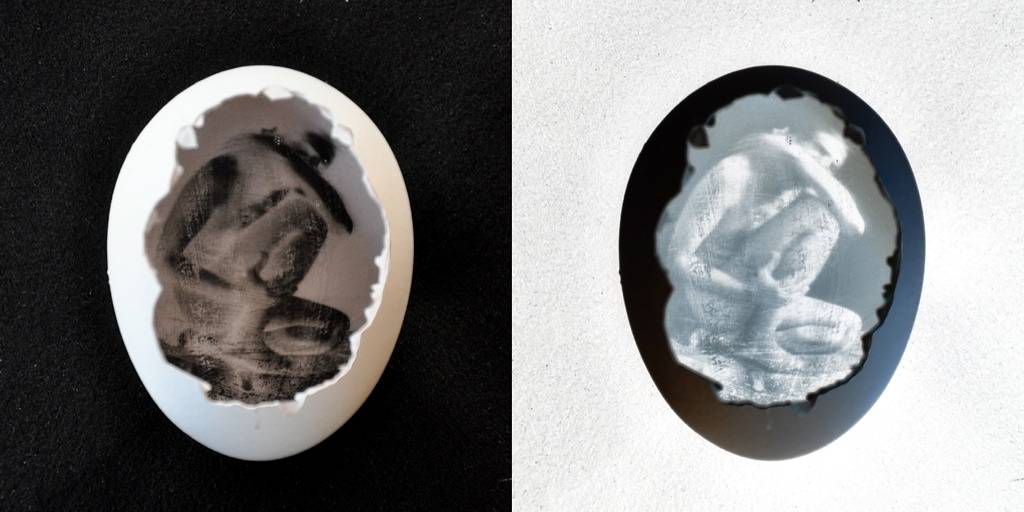
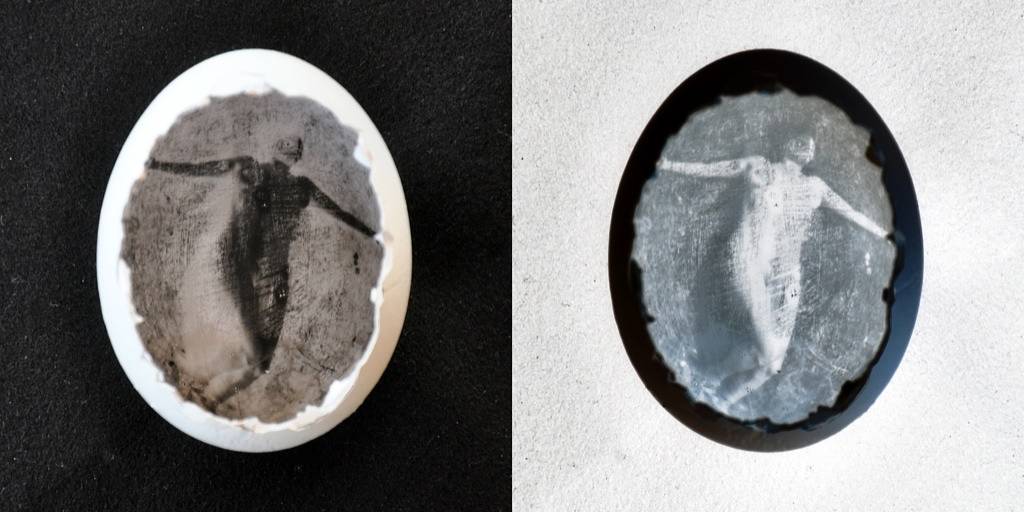

Stuff to Remember
As you can see, the whole thing is almost simple. The worst part is to deal with the fragility of the shell. In order to take four good photographs, I destroyed more than fifty eggs. I should have made a portrait of the biggest pinhole omelette since the times of Dadaism. So, as I wished, the egg is the camera and the photograph at the same time. It is the beginning and the end of the photographic process. If you add a rebirth (don’t ask me how, please) you’ll have a Perfect-for-Easter Pinhegg.
The image born in the egg should be happy enough to stay there forever. It will not leave, age or sepia-wash. At the most, it will glance out, sometimes. That’s it. Happy Easter. And please, don’t forget to pinhole the world, pinhole anything, pinhole everything that you see.
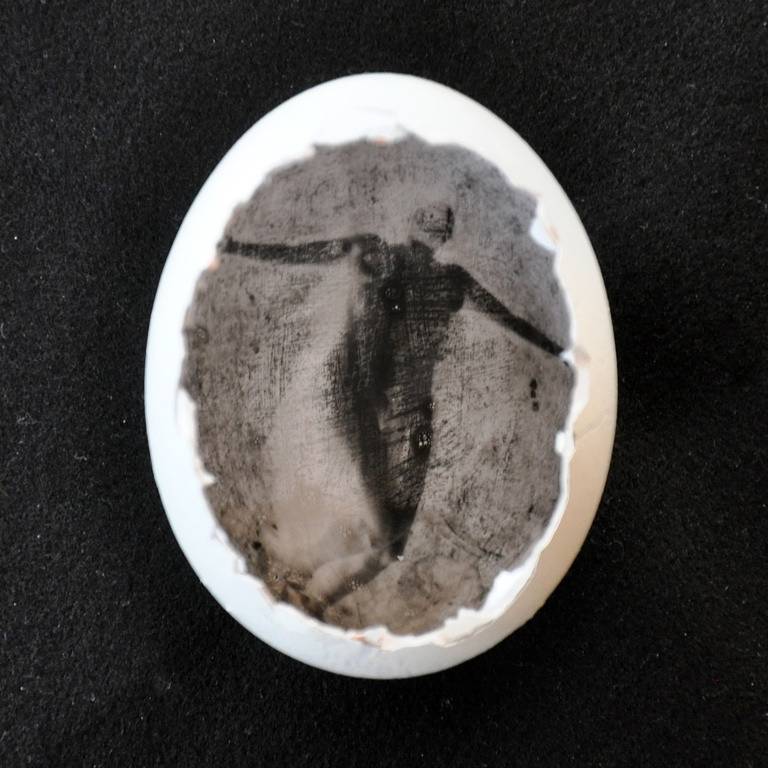
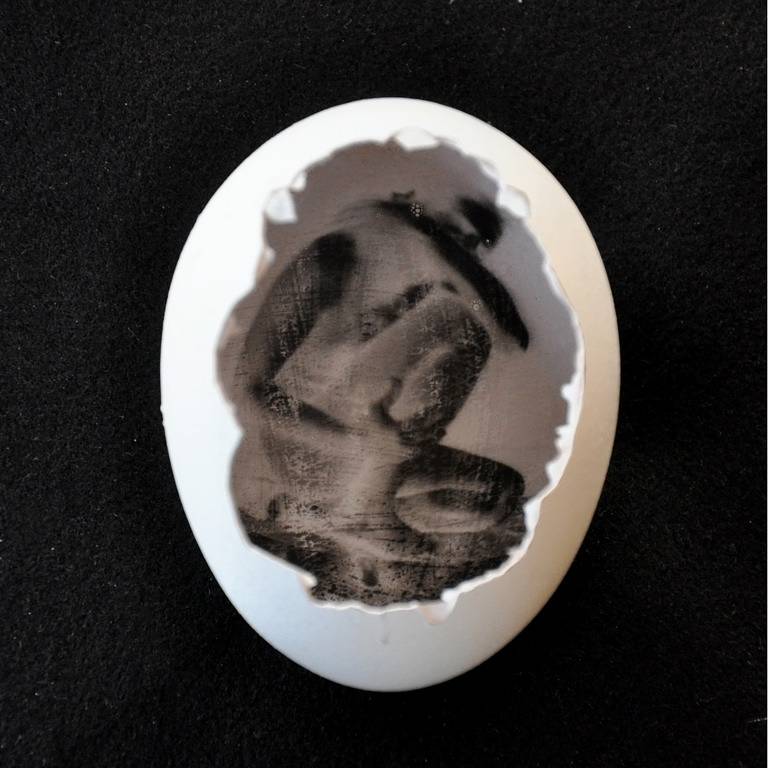
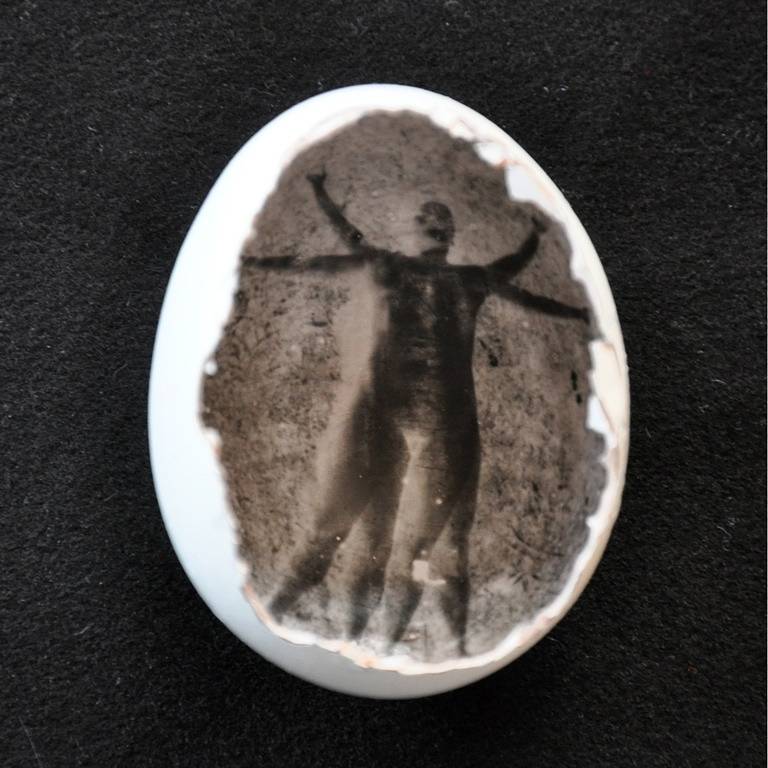
Thanks for sharing your inspiring journey to create the one-of-a-kind Pinhegg, Francesco! Don’t forget to visit his website or drop him a message! Keep sharing those analogue experiments tby uploading them to your LomoHome!
written by francescco on 2011-04-23 #lifestyle #pinhole #camera #day #world #egg #francesco-capponi #pinhegg #francessco








49 Comments